
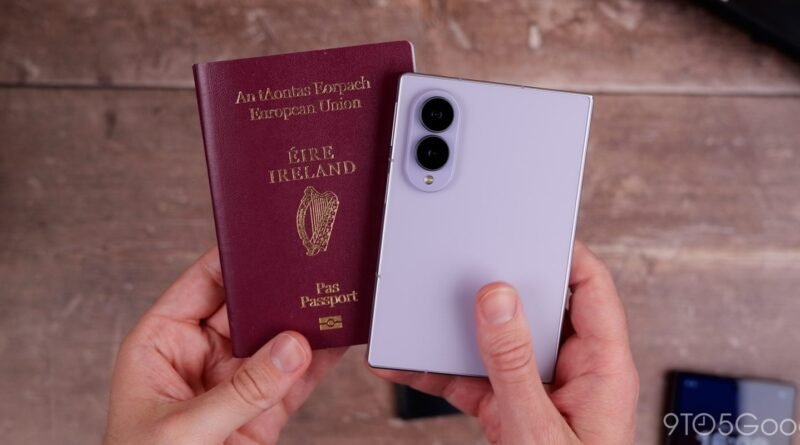
Why the Galaxy Z Fold 8 Proves the Inevitable Dominance of the Rumored Iphone Fold
Galaxy Fold Proves: 1. Executive Summary & Strategic Importance
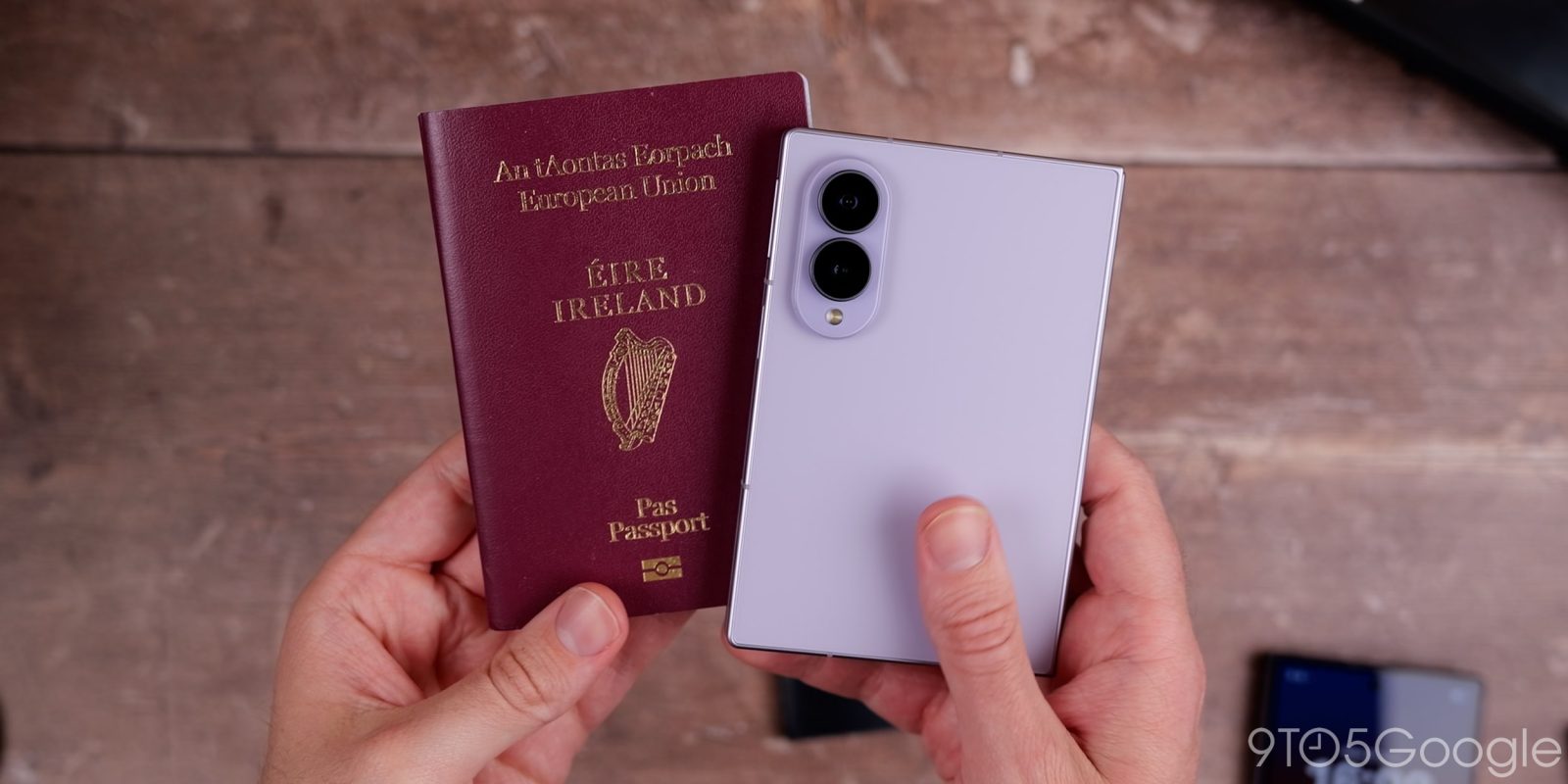
The consumer technology landscape has reached a fascinating inflection point characterized by hardware maturity, ecosystem integration battles, and a quiet inevitability regarding long-rumored device categories. When examining the current trajectory of foldable smartphones, industry analysts and tech observers often focus on iterative hardware upgrades, battery life extensions, and hinge durability enhancements. However, a deeper, more strategic narrative underpins the release of advanced devices like the Samsung Galaxy Z Fold 8. While Samsung has successfully maintained its first-mover advantage and repeatedly beaten Apple to the commercial punch, the irony of the current market dynamic is striking. The Galaxy Z Fold 8 stands as a masterclass in engineering, refined ergonomics, and multitasking software; yet, paradoxically, it functions as the most compelling, free marketing campaign imaginable for an unreleased, heavily anticipated device: the Apple iPhone Fold.
To understand this paradox, one must examine the historical playbook of Apple entering nascent product categories. Apple rarely invents the foundational category; instead, the Cupertino giant watches, analyzes, lets competitors spend billions of dollars educating the consumer base, and refines the user experience until it achieves mainstream cultural ubiquity. Think of the MP3 player before the iPod, the tablet before the iPad, or the smartwatch before the Apple Watch. Foldable phones are treading down this exact, well-worn path. Samsung, alongside other aggressive original equipment manufacturers (OEMs) like Huawei, Honor, and OnePlus, has shouldered the immense financial and reputational burden of proving that foldable displays are durable, usable, and valuable to enterprise and consumer segments alike.
The Galaxy Z Fold 8 encapsulates the pinnacle of this generational experimentation. It boasts an ultra-thin chassis, seamless crease mitigation, high-grade hinge mechanisms, and deeply integrated AI capabilities that finally make the dual-screen form factor feel indispensable rather than gimmicky. Yet, as millions of mainstream consumers gaze upon the polished refinements of the Galaxy Z Fold 8, their psychological friction regarding foldable technology dissolves. They no longer ask, "Will the screen break in half?" or "Why would anyone need a tablet in their pocket?" Samsung has successfully answered these existential market doubts. By doing so, they have primed the global consumer base, normalized the vertical crease, and established a lucrative premium price ceiling. When Apple eventually steps into the arena with its rumored iPhone Fold, it will not have to convince skeptical consumers that foldable technology is viable. Samsung, through years of iterative hardware advancement culminating in the Z Fold 8, will have already done the heavy lifting.
This comprehensive investigation explores the complex symbiosis between Samsung’s engineering triumphs and Apple’s looming market entry. We will dissect the technical mechanics that make the Galaxy Z Fold 8 a marvel, evaluate the competitive positioning through structured benchmarking, analyze the broader geopolitical and economic supply chain implications, and map out a strategic outlook for how the high-end mobile sector will transform over the next thirty-six months. Whether you are an industry investor, a technology enthusiast, or a mobile enterprise strategist, understanding this dynamic is crucial for anticipating the next decade of personal computing.
2. Historical Context & Industry Evolution
To fully grasp the current rivalry between Samsung’s foldable lineup and the shadow of the iPhone Fold, we must trace the evolutionary arc of flexible display technology over the past decade. The journey from fragile, proof-of-concept prototypes shown at trade shows in the early 2010s to the sleek, water-resistant powerhouses of today represents one of the most aggressive research-and-development cycles in consumer electronics history. In the beginning, the primary hurdle was not software optimization or battery architecture, but material science. Creating a polymer substrate that could bend thousands of times without fracturing, delaminating, or suffering catastrophic optical degradation required billions of dollars in capital expenditure.
Samsung recognized this challenge early and positioned itself as both a device manufacturer and a dominant component supplier through Samsung Display. When the original Galaxy Fold launched, it was met with widespread skepticism, mechanical failures in early review units, and a prohibitive price tag that relegated it to the status of an expensive enthusiast toy. However, rather than retreating from the form factor—as many critics suggested they should—Samsung doubled down. Through successive iterations, the company systematically dismantled every technical barrier. They introduced Ultra-Thin Glass (UTG) to replace plastic polymers, redesigned hinges with brush mechanisms to prevent dust ingress, and continuously shaved millimeters off the folded thickness to match traditional candy-bar smartphones.
Concurrently, Apple remained conspicuously silent in public while aggressively filing patent applications related to hinge mechanics, self-healing display coatings, and internal folding structures. Apple’s conservative approach to hardware innovation has historically baffled critics who demand rapid adoption of new trends, but it consistently delivers superior long-term financial returns and brand loyalty. By observing Samsung’s iterative missteps—such as overly narrow outer screens in early generations, awkward aspect ratios, and software fragmentation—Apple has been able to build a mental blueprint of what the ultimate foldable device must achieve. They watched as Samsung iterated through form factor changes, multitasking software upgrades (such as Multi-Active Window and taskbar integrations), and stylus compatibility hurdles.
Furthermore, the broader mobile industry ecosystem evolved in tandem with foldable hardware. App developers who initially ignored the unusual aspect ratios of folding devices were eventually incentivized by platform holders to adopt adaptive layouts, responsive design frameworks, and multi-pane user interfaces. Google’s pivotal decision to optimize Android natively for large-screen and foldable devices provided the necessary software foundation that hardware makers desperately needed. This historical backdrop highlights why the Galaxy Z Fold 8 is so significant: it represents the culmination of a decade of painful, expensive trial and error by the Android ecosystem. Samsung built the highway, paved it, survived the potholes, and now stands proudly upon it—unaware or perhaps resigned to the reality that Apple is poised to cruise down that very same highway with an unmatched marketing engine and an unshakeable ecosystem lock-in.
3. Deep-Dive Architectural & Technical Mechanics
An objective evaluation of why the Galaxy Z Fold 8 serves as such a powerful advertisement for a hypothetical iPhone Fold requires a granular examination of its underlying engineering, material sciences, and operational workflows. The device is not merely a smartphone with a hinge; it is an intricate convergence of aerospace-grade metallurgy, advanced optical chemistry, and heterogeneous computing architecture.
Material Science and Hinge Architecture
At the structural core of the Galaxy Z Fold 8 is its redesigned dual-rail hinge mechanism. Traditional folding phones suffer from mechanical fatigue over time due to uneven stress distribution across the folding axis. Samsung’s latest architecture utilizes a teardrop-shaped folding bay that allows the flexible display to curve naturally with a wider radius, drastically reducing mechanical stress on the Ultra-Thin Glass (UTG) layer. The housing is forged from enhanced Armor Aluminum alloy combined with titanium reinforcement plates at critical stress points, ensuring structural rigidity without adding dead weight. This meticulous engineering achieves a dual objective: it eliminates the pronounced gap when closed, preventing dust and pocket debris from entering the internal cavity, and it minimizes the visibility and tactile depth of the central display crease.
Display Technology and Optical Properties
The internal foldable panel of the Z Fold 8 utilizes an advanced Low-Temperature Polycrystalline Oxide (LTPO) AMOLED matrix capable of variable refresh rates ranging dynamically from 1Hz to 120Hz. This adaptability is critical for power conservation when rendering static content or reading documents. Peak brightness levels have been pushed past historic thresholds, enabling outdoor readability under direct sunlight that rivals traditional flagship bar phones. The multi-layer display stack incorporates a specialized polarizing layer that reduces glare without sacrificing light transmission, paired with a custom-formulated protective polymer coating that enhances scratch resistance compared to older foldable generations.
Thermal Management and Processing Power
Powering this dual-display powerhouse requires an uncompromising silicon architecture. The Galaxy Z Fold 8 integrates a customized, high-bin system-on-chip (SoC) coupled with advanced neural processing units (NPUs) dedicated to on-device generative AI workloads. Because foldables have extremely tight internal volume constraints, thermal dissipation is a monumental engineering hurdle. Samsung utilizes a vapor chamber cooling system that is nearly triple the surface area of previous generations, featuring micro-channel copper meshes and specialized thermal interface materials (TIM) that route heat away from the primary processor and spread it across the entire chassis. This ensures sustained performance during intensive multitasking sessions or high-end mobile gaming without thermal throttling.
Software Integration and Workflow Optimization
Hardware is only as good as the software that commands it. The Z Fold 8 runs an optimized iteration of One UI built on top of Android, specifically tailored for spatial computing paradigms. Key technical workflows include:
- Dynamic Taskbar Persistence: Allows instant drag-and-drop multitasking between three concurrent application windows.
- App Continuity Engine: Seamlessly transitions applications from the narrow exterior cover screen to the expansive interior tablet display without layout resetting or data loss.
- Flex Mode API Integration: Encourages third-party developers to split UI elements into control panels and content viewing areas when the device is half-folded.
- AI-Assisted Split-Screen Summarization: Leverages onboard machine learning models to synthesize information across multiple open documents or browser tabs simultaneously.
4. Comparative Market Framework & Benchmarking
To fully contextualize the market dynamics between current Android foldables and the anticipated Apple device, we must analyze how the Galaxy Z Fold 8 stacks up against current market competitors and projected future standards across critical performance and consumer metrics.
| Evaluation Dimension | Samsung Galaxy Z Fold 8 | Google Pixel Fold Generation 2 | OnePlus Open | Projected Apple iPhone Fold (Rumored) |
|---|---|---|---|---|
| Form Factor & Ergonomics | Refined ultra-thin chassis with wider, user-friendly cover screen | Shorter, wider passport-style aspect ratio | Book-style fold with emphasis on lightweight portability | Sleek, premium minimalist design focusing on seamless integration |
| Display Crease Visibility | Extremely minimal, nearly imperceptible tactile depth | Moderate visibility under direct glare | Very subtle, smooth hinge radius implementation | Patent-backed self-tensioning glass layer for zero crease |
| Ecosystem & Software Integration | Deep Android customization, Galaxy AI, multi-window focus | Clean stock Android experience with deep Google Gemini integration | OxygenOS multitasking with Open Canvas interface | Closed ecosystem, deep continuity with macOS/iPadOS, spatial OS |
| Battery & Thermal Efficiency | Advanced vapor chamber cooling, optimized LTPO variable refresh | Balanced battery architecture with Tensor efficiency cores | Fast charging capabilities with dual-cell energy distribution | Custom silicon optimization prioritizing extreme battery longevity |
| Market Perception & Adoption | Pioneer status, high tech-enthusiast appeal, premium pricing | Niche appeal for pure Android purists | Disruptive value proposition challenging traditional pricing | Mainstream catalyst, instant cultural normalization |
The comparative matrix above illustrates the fundamental strategic dilemma facing the industry. Samsung excels in raw hardware refinement, component integration, and multitasking versatility. Devices like the OnePlus Open and Google Pixel Fold offer alternative ergonomic approaches, yet none possess the cultural gravity required to transition foldables from a niche enthusiast category into an obligatory consumer standard.
This is precisely why the Galaxy Z Fold 8 acts as an inadvertent advertisement for Apple. When a consumer uses a Z Fold 8, they experience the undeniable utility of a pocketable tablet. They realize how transformative split-screen productivity, drag-and-drop file sharing, and expansive media consumption can be on a mobile device. However, a significant segment of the high-end consumer base remains locked within the Apple ecosystem—bound by iMessage, iCloud synchronization, Apple Watch pairing, and Mac continuity. These users look at Samsung’s technological marvels and feel a sense of frustration; they want the hardware innovation of the Z Fold 8 wrapped within the software ecosystem of Apple. Consequently, every glowing review, every successful demonstration of a foldable hinge, and every viral video showcasing multitasking on a Galaxy Z Fold 8 serves to educate Apple’s customer base, stoking an insatiable demand for the day Cupertino finally unveils its own folding device.
5. Enterprise, Geopolitical & Socio-Economic Ramifications
The implications of the foldable smartphone market extend far beyond consumer tech circles, influencing global supply chains, enterprise productivity paradigms, and geopolitical manufacturing dependencies. As foldable devices transition from luxury novelties to enterprise-grade productivity tools, the economic stakes for component suppliers and multinational corporations escalate significantly.
Enterprise Mobility and Mobile Workforce Transformation
In enterprise environments—particularly within financial services, healthcare, consulting, and field engineering—the traditional smartphone has always represented a compromise between portability and screen real estate. Laptops are often too cumbersome for rapid field data entry, while standard smartphones force professionals to squint through complex spreadsheets, architectural schematics, or medical imaging files. The Galaxy Z Fold 8 has become a case study for enterprise mobility due to its ability to double as a portable workstation. Security frameworks, mobile device management (MDM) compatibility, and encrypted containerization on folding screens allow mobile workforces to execute complex tasks securely in transit.
However, enterprise IT departments face a strategic conundrum when standardizing device fleets. While Samsung provides robust enterprise support through Knox security platforms, many corporate infrastructures are deeply standardized around iOS. The anticipation of an enterprise-ready iPhone Fold creates hesitation among chief information officers (CIOs) who are reluctant to fragment their device ecosystems by adopting Android foldables today, preferring to wait for an Apple-branded alternative that guarantees frictionless integration with existing corporate Mac and iPad deployments. Thus, Samsung’s pioneering hardware acts as a proving ground, demonstrating to enterprise decision-makers that foldable workflows are viable, even if many organizations are simply waiting for Apple to provide the ultimate deployment vehicle.
Geopolitical Supply Chain Dynamics
The manufacturing ecosystem underpinning advanced foldable displays is exceptionally concentrated, dominated by specialized glass manufacturers, chemical conglomerates, and high-precision machinery fabricators primarily located in South Korea, Japan, Taiwan, and mainland China. Producing Ultra-Thin Glass and multi-layered polymer stacks with microscopic tolerances leaves zero room for error. Geopolitical tensions in the Indo-Pacific region, coupled with ongoing trade policy shifts regarding semiconductor and display manufacturing, create significant supply chain vulnerabilities. Samsung’s immense capital investment in display manufacturing infrastructure has given it a formidable moat; yet, when Apple eventually enters the foldable market, its sheer purchasing power and supply chain dominance will radically alter supplier negotiations, potentially squeezing margins for competing OEMs and forcing a rapid consolidation of component pricing across the industry.
6. Strategic Implementation Roadmap & Future Outlook
Looking across a 12-to-36-month horizon, the trajectory of the foldable smartphone market will be defined by three distinct phases: hardware perfection, software democratization, and the seismic shock of Apple’s market entry. Industry stakeholders, software developers, and enterprise strategists must navigate this shifting landscape with a clear, phased roadmap.
Phase 1: Immediate Term (Months 1–12) – Optimization and Niche Dominance
During the first year following the commercialization of devices like the Galaxy Z Fold 8, hardware manufacturers will focus on incremental cost reductions, yield improvements in display manufacturing, and deeper integration of on-device generative AI features. Software developers will continue refining adaptive UI frameworks to ensure cross-platform compatibility. For Samsung, this period is critical for maximizing market share and solidifying brand dominance before competitive pressure intensifies.
Phase 2: Medium Term (Months 13–24) – Ecosystem Maturation and Competitive Anticipation
As we approach the 24-month mark, supply chain whispers regarding Apple’s impending foldable release will reach a fever pitch. Competitors will race to introduce rollable concepts, wider book-style form factors, and even thinner profile architectures to preempt Apple’s entry. Enterprise adoption curves will begin shifting as IT departments draft pilot programs anticipating multi-ecosystem foldable deployments.
Phase 3: Long Term (Months 25–36) – The Apple Inflection Point
By the third year, the launch of the rumored iPhone Fold is projected to fundamentally reshape market shares. Much like the introduction of the original iPhone or the Apple Watch, the arrival of a foldable device bearing the Apple logo will trigger massive mainstream consumer migration. The total addressable market for foldables will expand exponentially as social stigma or durability skepticism vanishes entirely. Companies that built the category—most notably Samsung—will find themselves competing in a vastly larger, more lucrative, but fiercely contested market arena.
7. Frequently Asked Questions (FAQ) & Expert Insights
To provide maximum value and address high-intent search queries surrounding this evolving technological landscape, here are authoritative answers to key questions regarding foldables, Samsung’s latest devices, and the anticipated Apple iPhone Fold.
1. Why is the Galaxy Z Fold 8 considered an advertisement for an iPhone Fold?
The Z Fold 8 is a triumph of hardware engineering that successfully proves the day-to-day utility, durability, and productivity benefits of foldable smartphones. By normalizing the form factor and eliminating consumer anxieties regarding screen fragility and software awkwardness, Samsung has educated the market. Apple users who admire the hardware capabilities of the Z Fold 8 but refuse to leave iOS are left wanting an equivalent device within their preferred ecosystem, creating pent-up demand for a rumored iPhone Fold.
2. When is Apple expected to release its first foldable iPhone?
While Apple has not officially confirmed a release date, supply chain analysts and patent filings suggest a commercial launch window between late 2026 and 2027. Apple is notoriously patient, waiting for component yields, display durability, and crease-mitigation technologies to reach absolute perfection before introducing a new product category to the mass market.
3. What are the main technical hurdles that have delayed Apple in entering the foldable market?
Apple’s primary hesitation has centered on optical display perfection, crease elimination, and device thickness. Apple demands that any foldable device match the rigidity and slim profile of traditional flagship phones without an unsightly or tactilely disruptive crease in the center of the display. Additionally, ensuring long-term hinge mechanical reliability under rigorous daily consumer use has required extensive material science research.
4. How does the Galaxy Z Fold 8 compare in durability to traditional candy-bar smartphones?
While early foldable generations were notoriously fragile, the Galaxy Z Fold 8 achieves remarkable durability through advanced Ultra-Thin Glass (UTG), armored aluminum alloys, and dust-resistant hinge mechanisms. While it may not yet match the absolute drop-resistance of a monolithic glass-and-metal slab phone, it is robust enough for daily mainstream professional and personal use.
5. Will an iPhone Fold negatively impact Samsung’s market share?
Initially, an iPhone Fold is expected to capture significant market share from premium Android users and accelerate overall category growth. While Samsung may experience a temporary dip in its high-end foldable dominance, the entrance of Apple will dramatically expand the total addressable market, validating the form factor and ultimately driving higher industry-wide component sales, particularly for display suppliers.
6. Are foldable smartphones suitable for enterprise deployment?
Yes. Foldables are increasingly adopted in enterprise environments due to their ability to function as compact smartphones and expanded workstations simultaneously. Enhanced multi-window multitasking, secure containerization, and advanced mobile device management (MDM) compatibility make them highly effective for professionals handling complex data in mobile settings.
Discover more in-depth coverage in our Technology editorial hub.
For primary data verification and historical benchmarks, consult official releases on Reuters Global News.
