
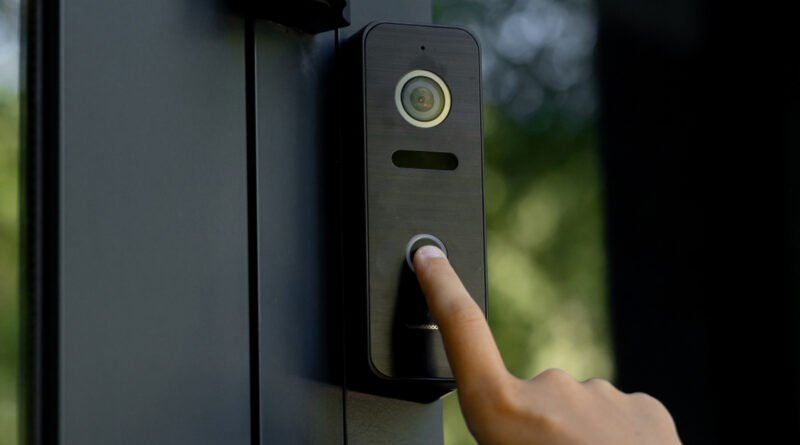
Wired Vs. Wireless Video Doorbells: Pros, Cons, And Differences Explained
1. Executive Summary & Strategic Importance
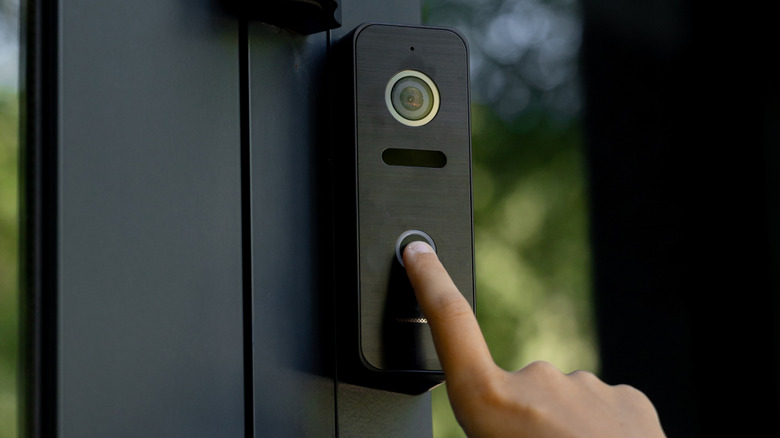
The modern smart home security ecosystem has fundamentally transformed residential surveillance, shifting the primary point of perimeter defense from passive observation to active, bidirectional engagement. At the epicenter of this technological shift sits the video doorbell, a device that has evolved from a novelty consumer gadget into a mission-critical component of domestic safety infrastructure. For homeowners, residential developers, and property managers, selecting the appropriate hardware architecture represents a foundational decision that impacts long-term system reliability, maintenance overhead, data privacy, and overall capital expenditure. The market bifurcates sharply into two distinct technological paradigms: wired video doorbells and wireless, battery-operated counterparts. Understanding the structural differences, operational trade-offs, and underlying mechanics of wired versus wireless video doorbells is no longer merely a matter of consumer preference; it is a critical exercise in risk management and system optimization.
Wired video doorbells leverage existing low-voltage electrical infrastructure—typically tapping into legacy mechanical chime circuits powered by a dedicated transformer—to deliver continuous power, uninterrupted video buffering, and accelerated processing speeds. Conversely, wireless video doorbells rely on internal or removable lithium-ion battery packs, trading the permanence of hardwired connections for unprecedented installation flexibility, modularity, and deployment speed. This architectural dichotomy dictates every downstream metric of performance, from frame rates and field-of-view capabilities to Wi-Fi bandwidth consumption and susceptibility to environmental stressors. As residential break-ins become increasingly sophisticated and the demand for cloud-connected surveillance surges, stakeholders must evaluate these systems through a rigorous analytical lens, balancing immediate installation friction against multi-year operational sustainability.
Pivotal stakeholders in this domain include legacy security conglomerates, specialized smart home manufacturers, property tech (PropTech) innovators, and the end-users themselves. Each group faces unique economic and operational incentives. Manufacturers are locked in a relentless race to shrink silicon footprints while maximizing thermal dissipation and battery longevity. Property developers are increasingly integrating pre-wired structural low-voltage runs into new construction to future-proof residential units for enterprise-grade smart access control. Meanwhile, end-users navigate a dizzying array of proprietary ecosystems, subscription models, and privacy protocols. This comprehensive analysis will deconstruct the wired versus wireless debate across historical, technical, economic, and geopolitical dimensions, providing an exhaustive roadmap for stakeholders seeking absolute clarity in an increasingly crowded marketplace.
2. Historical Context & Industry Evolution
To fully comprehend the contemporary landscape of residential video entry systems, one must trace the technological trajectory from the invention of the acoustic door buzzer in the 19th century to the sophisticated computer-vision-enabled IoT endpoints of the 2020s. For over a century, the architectural paradigm of the residential entryway remained stagnant. The standard doorbell consisted of a simple electromechanical circuit: pressing a button closed a loop, energizing an electromagnet, and driving a striker against a metallic tone bar. Security was entirely physical, relying on deadbolts, peepholes, and the homeowner’s physical presence at the threshold. The introduction of intercom systems in mid-century multi-family dwellings marked the first major step toward remote identification, yet these systems were plagued by analog degradation, spatial restrictions, and poor audio-visual fidelity.
The catalyst for the modern video doorbell revolution occurred in the early 2010s, propelled by the convergence of ubiquitous residential high-speed broadband, the proliferation of smartphone computing power, and the mass commercialization of micro-electromechanical systems (MEMS) sensors and high-definition sensors. Early market entrants demonstrated the viable market demand for remote, smartphone-integrated door monitoring. However, these pioneering devices were predominantly battery-dependent and suffered from severe technical limitations: sluggish motion-detection latency, poor low-light performance, and abysmal battery life that required frequent, frustrating manual recharging cycles. The industry quickly realized that relying solely on battery power created a friction point that threatened mass-market adoption.
This realization sparked a rapid bifurcation in product engineering. On one hand, manufacturers refined hardwired architectures, designing devices capable of seamlessly bridging low-voltage AC power transformers with DC-powered microprocessors without triggering electrical faults in legacy chimes. This led to the proliferation of wired doorbells capable of pre-buffering video feeds—capturing critical seconds *before* a motion event occurs. On the other hand, advances in lithium-ion chemistry, ultra-low-power Wi-Fi chipsets, and aggressive duty-cycling algorithms breathed new life into the wireless category. Manufacturers engineered clever power-management protocols that kept the main processor in a deep sleep state until a passive infrared (PIR) sensor or radar array validated a true human presence. Today, the industry stands at a fascinating crossroads where both paradigms have matured significantly, yet their fundamental engineering trade-offs remain as pronounced as ever.
3. Deep-Dive Architectural & Technical Mechanics
A rigorous examination of wired versus wireless video doorbells requires a deep dive into their underlying technical specifications, power delivery mechanisms, data transmission protocols, and computational architectures. The disparities between the two systems are not merely skin-deep; they govern every operational aspect of the device’s lifecycle.
Power Delivery and Electrical Topologies
The most profound differentiator between the two architectures lies in how they harvest, regulate, and utilize electrical energy.
- Wired Systems: Typically require an alternating current (AC) power supply ranging from 16 to 24 volts, drawing continuous power from a dedicated hardwired transformer. This steady current eliminates energy conservation constraints, allowing the onboard processor, sensor, and wireless transceiver to operate at peak performance continuously.
- Wireless Systems: Rely on rechargeable lithium-ion cells, often operating at 3.6V to 4.2V nominal voltages. Because energy is a finite resource, wireless doorbells utilize aggressive power-saving states. The primary system remains in a quiescent state, drawing micro-amps of current until an external trigger wakes the main application processor.
Sensor Integration and Motion Detection Mechanics
Detecting motion accurately without draining power or generating false positives is a central engineering challenge in smart home surveillance.
- Pixel-Based Video Motion Detection (VMD): Predominantly found in wired doorbells. Because power is unlimited, the sensor continuously analyzes the video stream frame-by-frame, tracking pixel luminance shifts to detect motion. This allows for hyper-accurate, customizable motion zones and advanced AI object classification (humans, vehicles, animals) running in real-time.
- Passive Infrared (PIR) and Radar Sensors: Standard in wireless doorbells. To conserve battery life, these devices use secondary hardware sensors—PIR detectors that measure infrared radiation variance caused by body heat, or low-power millimeter-wave radar—to initiate the wake-up sequence before powering on the primary CMOS sensor.
Data Transmission, Bandwidth, and Edge Processing
Both wired and wireless doorbells rely heavily on localized Wi-Fi infrastructure (typically 2.4GHz and 5GHz bands) to transmit encrypted video payloads to cloud servers or local hubs. However, their computational load varies wildly. Wired doorbells frequently feature advanced on-device edge computing chips capable of local neural network processing for facial recognition and package detection without relying solely on cloud-based AI. Wireless units often offload these heavy computational tasks to the cloud or simplify local algorithms to preserve battery endurance, which can occasionally introduce latency in notification delivery.
4. Comparative Market Framework & Benchmarking
To synthesize the complex trade-offs between wired and wireless video doorbells, stakeholders must evaluate them across multiple operational axes. The following comparative matrix contrasts five critical performance and deployment dimensions.
| Evaluation Dimension | Wired Video Doorbells | Wireless Video Doorbells |
|---|---|---|
| Installation Complexity | Moderate to High (requires electrical knowledge and existing chime wiring) | Low (DIY-friendly, surface-mounted via adhesive or screws) |
| Power Continuity & Maintenance | Continuous 24/7 power; zero battery charging maintenance required | Finite battery life; requires periodic removal and recharging (weeks to months) |
| Video Performance & Pre-Buffering | Always-on recording capabilities with advanced pre-roll video buffering | Sleep states can introduce slight wake-up latency; limited or absent pre-roll |
| Environmental Durability | High thermal dissipation; less sensitive to extreme sub-zero temperatures | Lithium-ion batteries degrade in freezing weather, reducing operational runtime |
| Flexibility & Portability | Fixed location tied strictly to legacy low-voltage electrical infrastructure | Highly flexible; ideal for rental properties, renters, and non-standard entryways |
The comparative matrix above illustrates that neither technology serves as a universal panacea. Wired video doorbells win decisively on operational performance, reliability, and maintenance freedom. Once installed, they demand virtually no ongoing physical interaction from the user, functioning as relentless sentinels capable of capturing every micro-event at the threshold. Their ability to maintain continuous video buffers ensures that the crucial moments *leading up* to an incident are successfully recorded—a feature frequently missing or heavily compromised in battery-powered alternatives due to the latency inherent in waking a sleeping system from deep hibernation.
Conversely, wireless video doorbells dominate the market in terms of democratization and accessibility. For the millions of global tenants living in rental properties, historical homes lacking electrical wiring, or multi-family complexes with restrictive architectural guidelines, hardwiring a doorbell is simply not an option. The wireless paradigm lowers the barrier to entry to a matter of minutes, requiring no specialized tools beyond a screwdriver or a power drill. Furthermore, for homeowners seeking to experiment with smart home security before committing to a permanent infrastructural overhaul, wireless units offer a low-risk, high-reward entry point. However, this flexibility incurs a perpetual maintenance tax: the recurring chore of unmounting the unit, docking it to a charger, and waiting hours for replenishment—a window during which the property remains entirely unmonitored.
5. Enterprise, Geopolitical & Socio-Economic Ramifications
The mass adoption of video doorbells—whether wired or wireless—extends far beyond individual consumer convenience, rippling outward into enterprise real estate, municipal security frameworks, international supply chains, and evolving legal privacy landscapes.
Enterprise and Property Technology (PropTech) Integration
In the commercial and multi-family residential real estate sectors, the choice between wired and wireless access control endpoints has become a major architectural consideration. Real estate developers constructing modern apartment complexes are increasingly standardizing on Power over Ethernet (PoE) or hardwired low-voltage structural wiring for all entry points. Hardwired systems integrate seamlessly with enterprise property management software, centralizing visitor logs, package deliveries, and access credentials across hundreds of units. Wireless doorbells, while attractive for retrofitting older apartment portfolios without rewiring costs, introduce enterprise vulnerabilities: stolen hardware units, battery degradation liabilities across large device fleets, and increased susceptibility to localized RF jamming.
Geopolitical and Supply Chain Dynamics
The manufacturing ecosystem for smart video doorbells is deeply intertwined with global electronics supply chains, particularly across East Asia where sensor fabrication, PCB assembly, and lithium-ion cell production are concentrated. Geopolitical trade tensions, semiconductor shortages, and shifting regulatory scrutiny regarding data sovereignty and cybersecurity have forced manufacturers to diversify their manufacturing footprints. Furthermore, stringent regulatory bodies—particularly within the European Union under the General Data Protection Regulation (GDPR)—impose severe restrictions on public-facing surveillance cameras that capture public walkways, compelling manufacturers to implement robust on-device privacy masking and end-to-end encryption protocols.
Socio-Economic Impacts and Privacy Concerns
At the community level, the proliferation of connected video doorbells has fundamentally altered neighborhood dynamics. The aggregation of millions of private surveillance feeds into cloud servers managed by tech conglomerates has blurred the line between private property and public space. While proponents argue these systems deter property crime and assist law enforcement in recovering stolen goods, civil liberties organizations raise valid concerns regarding algorithmic bias, mass surveillance, and the potential erosion of reasonable expectations of privacy in public corridors. The choice between wired and wireless indirectly influences this ecosystem: wired systems, with their continuous recording capabilities, capture denser streams of community data compared to intermittent, motion-triggered wireless devices.
6. Strategic Implementation Roadmap & Future Outlook
Navigating the selection, deployment, and lifecycle management of video doorbell technology requires a structured, multi-phase strategic roadmap. Whether outfitting a single-family suburban home or standardizing security across a residential portfolio, stakeholders should adhere to the following strategic implementation framework over a 12-to-36-month horizon.
- Phase 1: Infrastructure Audit and Needs Assessment (Months 1-3): Conduct a thorough audit of existing electrical infrastructure at the target entryway. Verify transformer voltage output (measuring for 16V-24V AC compatibility) and assess local Wi-Fi signal strength at the threshold. Evaluate environmental stressors, such as extreme winter temperatures or direct, unrelenting solar exposure.
- Phase 2: Architectural Selection and Procurement (Months 4-6): Select between wired and wireless paradigms based on structural constraints and maintenance tolerances. If hardwiring is feasible and long-term reliability is paramount, prioritize wired units with local storage options and zero-subscription models. If flexibility is required, select wireless units featuring quick-release battery packs and solar-charging accessory integration.
- Phase 3: Deployment, Hardening, and Integration (Months 7-12): Execute professional or DIY installation. Implement robust cybersecurity practices: isolate the IoT devices on a dedicated guest Wi-Fi VLAN, enforce multi-factor authentication for all user accounts, and configure privacy zones to prevent the inadvertent recording of adjacent properties.
- Phase 4: Lifecycle Maintenance and Future-Proofing (Months 13-36): Establish a routine maintenance schedule. For wireless units, maintain a secondary charged battery pack to eliminate downtime during charging cycles. Monitor firmware updates closely to patch emerging vulnerabilities and capitalize on rolling out advanced edge-AI feature updates provided by manufacturers.
Looking ahead, the next three to five years will witness convergence rather than divergence. Advancements in ultra-low-power solid-state batteries, energy-harvesting photovoltaic glass integrated directly into doorbell faceplates, and localized edge AI will begin to blur the operational performance gap between wired and wireless models. Furthermore, the maturation of Matter and Thread smart home communication protocols will liberate consumers from proprietary walled gardens, enabling seamless interoperability between doorbells, security panels, and lighting systems regardless of manufacturer.
7. Frequently Asked Questions (FAQ) & Expert Insights
To address high-intent user inquiries and provide definitive technical clarity, the following expert-level Q&A section covers the most critical operational questions surrounding wired and wireless video doorbells.
1. Can a wireless video doorbell be converted into a wired doorbell?
It depends entirely on the specific model’s hardware engineering. Some hybrid video doorbells are designed to accept low-voltage AC wiring connections to trickle-charge their internal batteries continuously, effectively combining the best of both worlds. However, standard wireless doorbells lacking low-voltage terminal screws cannot be safely hardwired to a traditional doorbell transformer without causing severe electrical shorts or damaging the unit’s internal power management circuitry. Always verify the manufacturer’s technical specifications before attempting any electrical modification.
2. How do sub-zero winter temperatures impact wireless video doorbell performance?
Extreme cold is the primary performance bottleneck for lithium-ion battery-powered wireless doorbells. At temperatures below freezing (32°F / 0°C), the chemical kinetics within lithium-ion cells slow down significantly, increasing internal resistance and drastically reducing the battery’s voltage output. This often results in rapidly depleted battery percentages, unexpected device offline status, or the complete failure of the camera to wake up during motion events. Wired doorbells are largely immune to this issue because continuous power delivery maintains internal thermal equilibrium.
3. Do wired video doorbells require an existing mechanical chime?
No, wired video doorbells do not strictly require a physical mechanical chime to function, though they do require a continuous power source (a 16V-24V AC transformer). If a home lacks a legacy chime or if the homeowner prefers silent, smartphone-only notifications, the doorbell can be wired directly to the transformer using a compatible power adapter, bypassing the chime kit entirely while still receiving steady, uninterrupted electrical current.
4. What security risks are associated with wireless video doorbells?
Wireless video doorbells present unique physical and digital vulnerabilities. Physically, because they are typically mounted using detachable mounting brackets for easy recharging, they can be more susceptible to theft or vandalism (though many manufacturers offer anti-theft replacement policies or security screw mechanisms). Digitally, wireless units rely heavily on continuous Wi-Fi transmission; if compromised or subjected to deauthentication attacks, attackers can potentially disrupt the feed or intercept unencrypted local network traffic, underscoring the importance of robust network segmentation.
5. Why do wireless doorbells experience a delay in video recording compared to wired models?
The recording delay in wireless doorbells is a deliberate engineering compromise designed to conserve battery life. To prevent the battery from draining in a matter of days, the device’s primary processor and sensor remain in a deep sleep state. When motion occurs, a secondary sensor (like a PIR detector) must wake up the main processor, initialize the operating system, establish a handshake with the Wi-Fi router, and begin buffering. This wake-up latency typically ranges from 2 to 5 seconds, whereas wired doorbells maintain a continuous ‘pre-roll’ buffer, capturing video events instantaneously.
Discover more in-depth coverage in our Technology editorial hub.
