
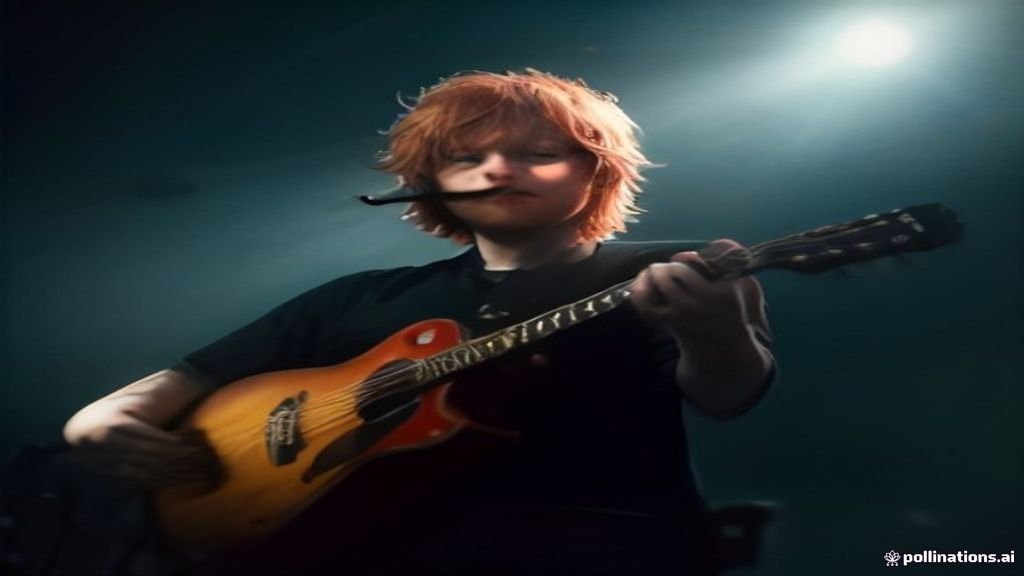
Ed Sheeran US Tour Fallout: Every Support Act Quits
The live music industry is grappling with an unprecedented crisis. Every single support act slated to perform on the remainder of the Ed Sheeran US tour has officially walked away. This dramatic mass exodus follows the abrupt removal of rapper Macklemore, who was cut from the lineup after making pro-Palestinian remarks during stadium performances.
All remaining support acts on the Ed Sheeran US tour have withdrawn from the lineup after rapper Macklemore was dropped by concert promoters following pro-Palestinian remarks on stage in New Jersey, sparking a massive live-music industry controversy over free speech and venue censorship.<\/p>
- Mass Boycott: Acts including Finneas, Lukas Graham, Aaron Rowe, and Beoga walked away from the tour in solidarity.
- Promoter Decision: Ed Sheeran clarified that removing Macklemore was strictly the call of the Messina Touring Group and venue operators.
- Stadium Pressure: Billionaire Patriots owner Robert Kraft confirmed he barred Macklemore from Gillette Stadium over alleged antisemitic rhetoric.
What started as a localized stage statement has snowballed into a massive cultural and corporate flashpoint. It pits high-profile artists, billionaire venue owners, and global promoters against one another in a fierce debate over free expression, corporate stadium control, and the intersection of geopolitics and live entertainment.
The Domino Effect: Why the Support Acts Walked
The backlash was swift, loud, and absolute. Within hours of the news breaking that Macklemore—real name Benjamin Haggerty—had been scrubbed from the bill, the tour’s remaining support roster collapsed.
Finneas, the acclaimed producer, songwriter, and brother of pop icon Billie Eilish, led the charge. In a pointed statement, he made his stance unmistakable: “Artists must not be silenced when they speak up for the oppressed.”
He was quickly joined by Danish pop-soul outfit Lukas Graham, Irish singer-songwriter Aaron Rowe, and Beoga, the traditional Irish folk band that shares the stage with Sheeran nightly. For many of these performers, the decision to walk away meant turning down lucrative work, prestigious stages, and critical industry exposure.
“Money doesn’t give you the right to own the conversation,” wrote Lukas Graham in a joint statement on Instagram. “Nobody’s bank balance should decide who gets to speak or which suffering we’re allowed to acknowledge.”
Aaron Rowe echoed that sentiment, noting that while Ed Sheeran has been a life-changing friend and mentor, he could not in good conscience remain on the bill.
Behind the Scenes: Ed Sheeran Speaks Out
Caught squarely in the crossfire is Ed Sheeran himself. The British pop superstar attempted to thread an impossible needle, releasing a carefully worded statement on Instagram to clarify his position. He insisted that he had spent days trying to build a bridge with venues, but the ultimate decision to pull the plug came down from the tour promoters, Messina Touring Group, under immense pressure from stadium executives.
“Macklemore coming off tour was the promoter’s decision, it was not mine,” Sheeran wrote. “I would never let down the fans who had made plans, nor would I abandon the touring crew and the other support acts and musicians who rely on me for work and to make a living.”
According to industry analysts, stadium tours of this magnitude operate under complex legal frameworks where venue operators hold ultimate veto power over safety, public image, and talent rosters. When venues threaten cancellation, promoters are often left with vanishingly few options.
Timeline of the Controversy
To understand how a routine concert tour disintegrated into a geopolitical battleground, one must look closely at the sequence of events.
- September 4: Macklemore performs at MetLife Stadium in New Jersey on the Ed Sheeran bill, shouting “Free Palestine” and performing his track “Hind’s Hall” against a backdrop of Gaza devastation footage.
- September 5: Immediate public blowback begins. The Israeli American Council launches a petition, while campaign groups accuse the rapper of ambushing fans.
- September 6–10: Venue executives lean heavily on tour promoters, citing potential disruptions and contractual liabilities.
- September 11: Macklemore announces he has been barred from the tour, singling out Gillette Stadium owner Robert Kraft.
- September 12: Finneas, Lukas Graham, and other support acts formally announce their departure from the tour.
The Role of Venue Owners and Billionaire Stakeholders
The controversy deepened when Macklemore publicly pointed the finger at Robert Kraft, the billionaire owner of the New England Patriots and Gillette Stadium. Kraft, who has deep ties to the entertainment world and famously hired Ed Sheeran to play at his private wedding, didn’t shy away from the accusation.
In a public statement, Kraft confirmed that he had barred the rapper from performing at his venue. He asserted that Gillette Stadium would not “provide a platform for hate speech,” accusing Macklemore of possessing a broader history of antisemitic rhetoric.
| Entity | Stance / Action | Core Argument |
|---|---|---|
| Macklemore | Dropped from tour after stage remarks | Advocating for Palestinian civilians is a humanitarian necessity, not hate speech. |
| Robert Kraft / Venues | Banned artist from stadium grounds | Refuses to host platforms that promote selective narratives or offensive rhetoric. |
| Ed Sheeran | Attempted to maintain neutral ground | Concerts should be safe sanctuaries for art, avoiding direct political polarization. |
| Support Acts | Walked away in solidarity | Artistic censorship and the silencing of political speech cannot be condoned. |
SEEUY INTELLIGENCE
Ed Sheeran US Tour – Analytical Overview
Macklemore
Dropped from tour after stage remarks
Robert Kraft / Venues
Banned artist from stadium grounds
Ed Sheeran
Attempted to maintain neutral ground
Support Acts
Walked away in solidarity
The Broader Implications for Live Touring
This incident marks a watershed moment for the live music sector. For years, major artists have navigated political discourse by blending personal activism with commercial performance. However, as polarization deepens globally, stadium owners and corporate sponsors are tightening the reins.
When venues can unilaterally dictate an artist’s touring roster based on political speech, the entire economics of live entertainment shift. Independent acts now face a stark reality: conformity or career risk. As Macklemore noted in his parting remarks, taking a side can cost artists brand deals, sponsorships, and access.
Yet, as the walkout by Finneas and Lukas Graham demonstrates, a growing contingent of creators is willing to pay that exact price to protect freedom of expression on stage.
<button type="button" onclick="this.parentElement.innerHTML='✓ Thank you, we will refine our analysis!‘” style=”background:#ffffff; border:1px solid #cbd5e1; border-radius:6px; padding:4px 12px; font-size:12px; cursor:pointer; color:#334155;”>👎 No
