Climate-Driven El Niño Unleashes Unprecedented Global Extremes
⚡ SeeUY Executive Intelligence Brief
The sudden disappearance of anchovy shoals off the Pacific coast of South America is signaling the onset of what scientists project to be the strongest El Niño event in modern recorded history, supercharged by concurrent marine heatwaves and long-term global climate change. This unprecedented meteorological phenomenon threatens to trigger severe droughts, devastating floods, catastrophic agricultural shortfalls, and global economic losses projected by financial institutions to reach up to $7 trillion over the next five years.
Immediate Developments and Verified Physical Indicators
The early warning signs of the developing 2026–2027 El Niño are currently manifesting visibly across the Pacific basin, most notably through the rapid depletion of cold-water marine ecosystems. Small pelagic fish such as anchovies—which normally thrive in massive shoals along the coasts of Peru and Chile fed by nutrient-rich upwelling currents—have drastically vanished. This ecological disruption is driven by the weakening or reversal of easterly trade winds, allowing warm oceanic currents to sweep eastward and replace the vital cold water.
Modern satellite monitoring systems and an extensive array of deep-sea buoys deployed across the Pacific are continuously capturing telemetry data that confirm unprecedented subsurface thermal anomalies. According to projections from the United Kingdom’s Met Office, while a standard El Niño episode typically yields temperature increases of 1 to 2 degrees Celsius in the equatorial Pacific, mathematical forecast models indicate that upcoming equatorial water temperatures could spike by an extraordinary 3 degrees Celsius when the event fully matures in late 2026 or early 2027. Adam Scaife, professor and head of long-range forecasting at the Met Office, characterized the signal as entirely unprecedented, noting that no previously recorded forecast cycle has exhibited such intense initial parameters.
Background Context and Multi-Agency Scientific Response
Historically recognized by Peruvian fishermen as El Niño de Navidad due to the arrival of warm waters around the Christmas holiday, the recurring climatic cycle is a natural phenomenon. However, scientists emphasize that the upcoming event is unfolding against the backdrop of a globally heated climate system, compounding human-induced marine heatwaves. Stephanie Roe, lead climate scientist with the World Wildlife Fund (WWF), warned that the convergence of a natural “super El Niño” with a structurally warmer planet drastically elevates the likelihood that extreme heat, prolonged droughts, catastrophic floods, and raging wildfires will surpass any historical precedent experienced by human communities and fragile ecosystems.
In response to the escalating threat matrix, international organizations have launched historic preemptive mobilizations. Celeste Saulo, Secretary-General of the World Meteorological Organization (WMO), noted that in the 50-year history of the organization, it has never before initiated such an expansive emergency mobilization of forecasts and early warning services aimed at safeguarding human lives and regional livelihoods. Concurrently, United Nations Secretary-General António Guterres has forcefully described the compounding interaction of El Niño and global heating as equivalent to “pouring fuel on the fire of a warming world.”
Stakeholder Perspectives, Regional Impacts, and Socioeconomic Fallout
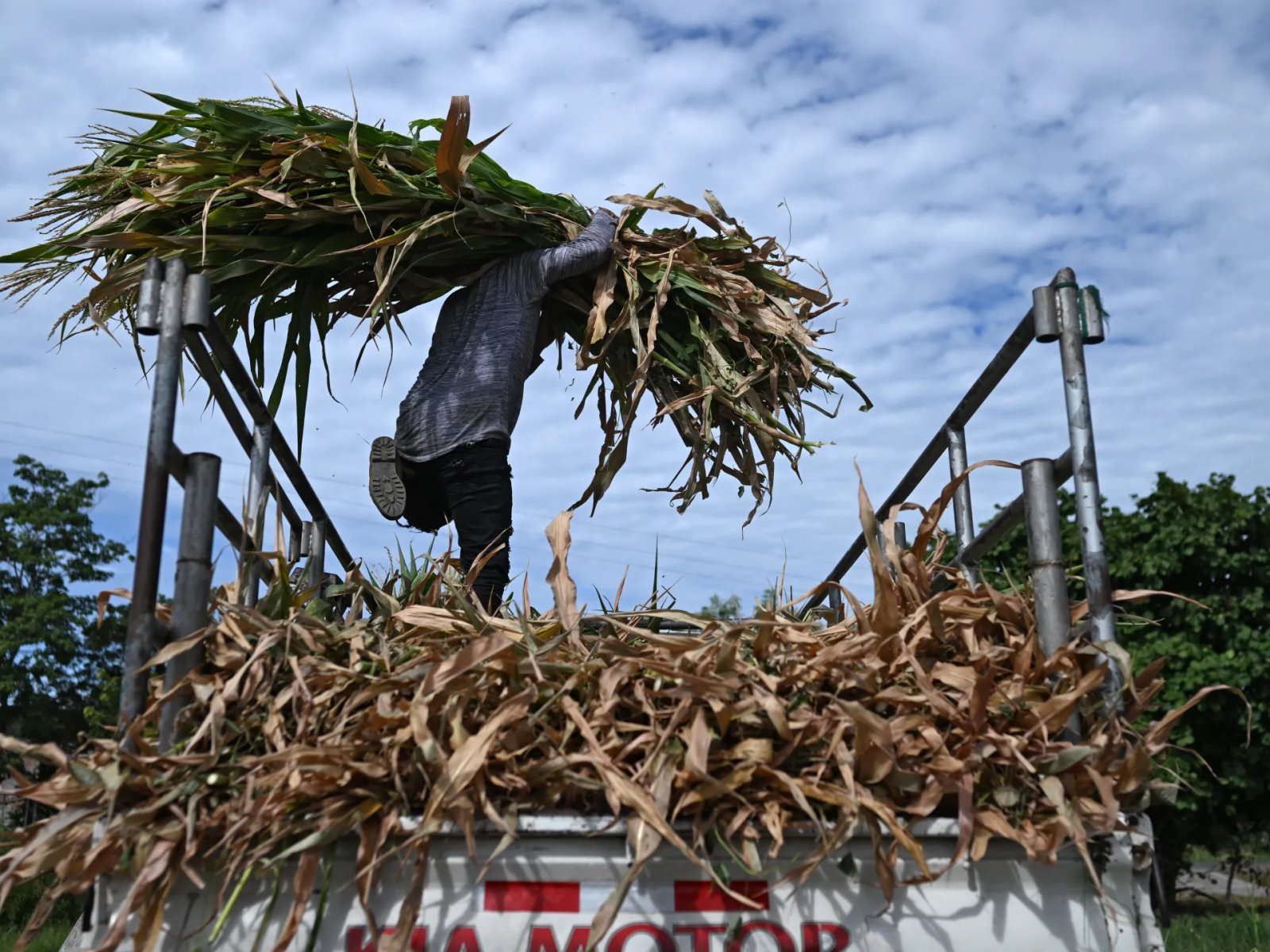
The geographic distribution of El Niño’s impacts will be vastly uneven, introducing localized agricultural windfalls alongside severe economic and humanitarian crises. Financial institutions and commodities analysts, including investment bank Morgan Stanley, indicate that wetter conditions could potentially bolster agricultural productivity and crop yields in Argentina and southern Brazil. Conversely, other sub-regions of South America and vast tracts of Southeast Asia face high risks of severe drought, disrupted monsoons, and erratic rainfall patterns that threaten to destabilize critical planting seasons.
The broader economic and humanitarian implications are projected to be severe. Economists at Citigroup have published estimates suggesting that a super El Niño shock could inflict as much as $7 trillion in cumulative global economic losses over a five-year period, as systemic agricultural failures ripple through international supply chains. Julia Rizzo, Morgan Stanley’s commodities strategist for Latin America, emphasized that the anticipated market disruptions extend far beyond local forecasts, threatening to drive up consumer prices and alter global investment returns.
Furthermore, vulnerable populations face heightened food security risks. The World Food Programme (WFP) has cautioned that these climate shocks coincide with systemic vulnerabilities in global food markets—exacerbated by high energy and fertilizer prices linked to ongoing geopolitical instability, including the United States’ military campaign against Iran. The WFP forecasts that up to 274 million people could face acute hunger globally by the end of 2027, representing a surge of 49 million individuals. Public health officials also warn of secondary crises, including potential outbreaks of vector-borne illnesses such as malaria and dengue fever, while marine biologists report widespread ecological distress, including mass strandings of seabirds from California down to Ecuador due to the collapse of local baitfish populations.
Strategic Context & What to Watch
From a geopolitical and macroeconomic perspective, the unfolding super El Niño represents a systemic multi-sectoral shock that will test the resilience of global supply chains, national food reserves, and international humanitarian response architectures. As the weather pattern reaches its anticipated peak between December and February—directly overlapping with crucial agricultural development phases in the Southern Hemisphere—policymakers must monitor several critical milestones.
Key indicators to watch in the coming months include finalized agricultural output data from major Latin American grain producers, national disaster preparedness allocations in drought-prone regions of Southern Africa and Southeast Asia, and official epidemiological tracking reports concerning vector-borne disease outbreaks in urban centers with strained health infrastructure. Most critically, atmospheric scientists emphasize that the massive release of thermal energy from the Pacific Ocean into the global atmosphere during this hyper-intense El Niño phase makes it highly probable that the year 2027 will surpass 2024 to become the hottest calendar year in recorded human history, cementing a dangerous new baseline for global climate instability.