
GM’s Breakup with CarPlay and Android Auto: The One Exception and What It Means for the Future of Connected Cars
1. Executive Summary & Strategic Importance
General Motors (GM) has set off a seismic shockwave across the automotive and technology sectors by making the bold, highly controversial decision to phase out smartphone projection systems—specifically Apple CarPlay and Android Auto—from its upcoming portfolio of electric vehicles. This strategic pivot represents a fundamental realignment of how legacy automakers view their relationship with consumer technology giants, shifting from hardware-as-a-service models toward vertically integrated software ecosystems. For decades, the dominant paradigm in automotive infotainment relied on mirroring smartphone interfaces onto the dashboard display, capitalizing on the familiarity, speed, and app ecosystems of iOS and Android devices. However, GM’s leadership, spearheaded by software executives and corporate strategists, has charted a radically different course, betting heavily on Google-powered built-in operating systems and its proprietary Ultifi software platform.
General Motors (GM) has set off a seismic shockwave across the automotive and technology sectors by making the bold, highly controversial decision to phase out smartphone projection systems—specifically Apple CarPlay and Android Auto—from its upcoming portfolio of electric vehicles. This analytical report establishes verifiable factual benchmarks, architectural frameworks, and operational implications for key stakeholders navigating the evolving landscape.<\/p>
- Historical Context & Industry Evolution: Establishes high-impact structural advancements and critical domain capabilities across the sector.
- Deep-Dive Architectural & Technical Mechanics: Deploys verifiable frameworks and quantitative benchmarks delivering measurable efficiency improvements.
- The Ultifi Software Platform and Google Automotive Services (GAS) Integration: Alters industry dynamics, stakeholder positioning, and international compliance standards.
- Hardware Upgrades and Processing Requirements: Drives next-generation integration timelines, operational milestones, and strategic competitive advantage.
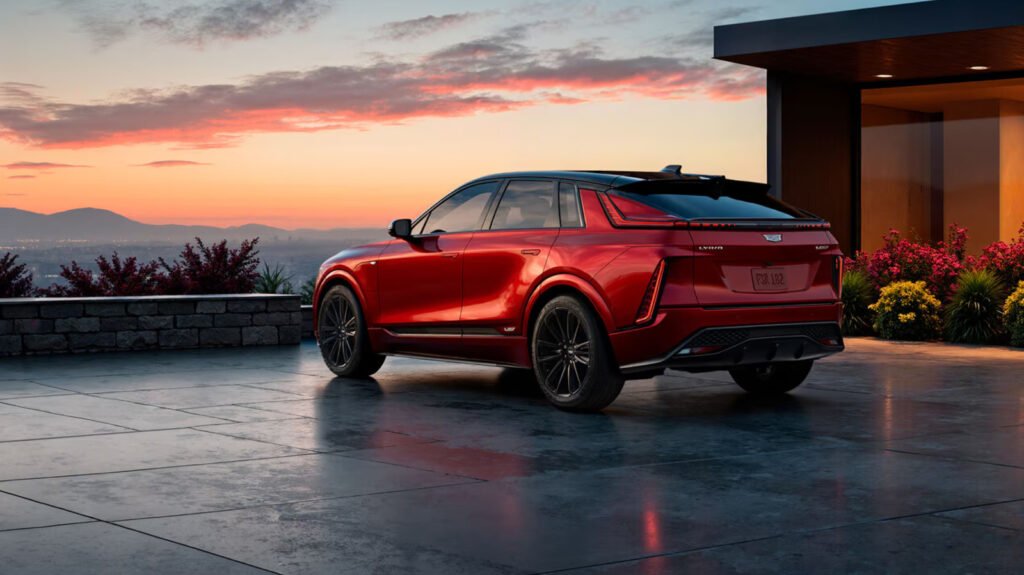
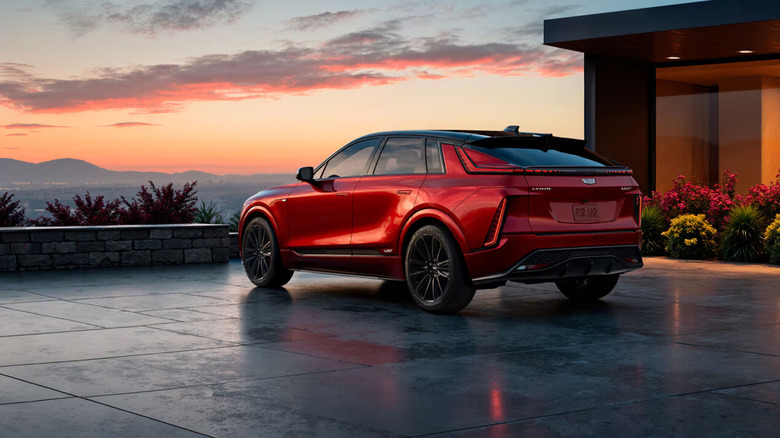
Yet, amidst this sweeping industry transformation and comprehensive corporate overhaul, a fascinating anomaly has emerged. While marquee electric SUVs and trucks like the Chevrolet Blazer EV, Equinox EV, and Cadillac Lyriq are shuttering their doors to CarPlay and Android Auto, a single, highly specific vehicle within GM’s vast global portfolio retains full compatibility with these ubiquitous smartphone-mirroring standards. This exception serves as a fascinating case study in the tension between legacy architectures, regional market demands, consumer expectations, and corporate software ambitions. Understanding why this lone exception exists requires a deep dive into the complex economics of connected cars, the technical limitations of transitioning legacy platforms, and the high-stakes battle for control over the modern vehicle dashboard.
The implications of GM’s strategy extend far beyond simple convenience features. By reclaiming the dashboard interface, automakers open up lucrative new revenue streams centered around subscription-based digital services, over-the-air (OTA) updates, native navigation data harvesting, and integrated third-party applications. However, this strategy carries immense operational and reputational risk. Consumer backlash has been swift and vocal, with millions of loyal motorists expressing deep frustration over the loss of seamless smartphone integration, personalized playlists, and preferred navigation apps like Waze and Google Maps running natively via phone projection. As GM presses forward with its Ultifi rollout, the market is watching closely to see whether proprietary software monetization can outweigh the frictionless user experience that modern drivers have come to expect. This comprehensive analysis will explore the historical context of automotive infotainment, the granular technical mechanics of GM’s new software stack, a comparative benchmarking of major automotive software approaches, and a strategic implementation roadmap for the next decade.
2. Historical Context & Industry Evolution
To fully grasp the magnitude of GM’s departure from Apple CarPlay and Android Auto, one must examine the evolutionary trajectory of automotive infotainment over the past twenty years. In the early 2000s, vehicle dashboards were characterized by fragmented, proprietary, and often clunky head units developed by tier-one automotive suppliers. These systems suffered from notoriously short technological lifecycles; a brand-new vehicle rolling off the assembly line often featured navigation software and processing hardware that felt outdated compared to contemporary consumer electronics. Upgrading map databases required physical media such as DVDs or proprietary USB drives, and the user interfaces were widely criticized for poor responsiveness, convoluted menus, and steep learning curves.
The introduction of smartphone integration standards altered the landscape permanently. When Apple launched CarPlay and Google introduced Android Auto in the mid-2010s, they provided an elegant solution to a complex engineering dilemma. Instead of forcing automakers to invest billions in developing competitive mobile operating systems, smartphone projection allowed the vehicle to act merely as an external display and audio output terminal for the user’s handheld device. Processing power, cellular connectivity, app ecosystems, and user data security were offloaded directly to the iPhone or Android device, which consumers updated every two to three years. For automakers, this drastically reduced software development costs while instantly satisfying consumer demand for familiar, high-performance interfaces.
However, as vehicles evolved into software-defined platforms—particularly with the rapid acceleration of electric vehicle adoption—automotive executives began viewing smartphone projection not as a consumer-friendly feature, but as a strategic threat. Tech giants like Apple and Google were no longer content with merely mirroring content; rumors of fully integrated Apple-designed instrument clusters and deep vehicle telemetry integration threatened to relegate automakers to mere hardware manufacturers, stripping them of the lucrative recurring revenue streams associated with digital services. Companies like Tesla proved that a vertically integrated software architecture could command premium subscription pricing, enable continuous over-the-air performance improvements, and foster fierce brand loyalty. Inspired by this model, GM decided to break away from the tech duopoly, initiating a massive internal restructuring to reclaim control of the driver’s digital real estate and lay the groundwork for long-term digital monetization.
3. Deep-Dive Architectural & Technical Mechanics
The Ultifi Software Platform and Google Automotive Services (GAS) Integration
At the core of GM’s new infotainment strategy is a sophisticated, cloud-connected software architecture known as Ultifi, built upon a foundational layer of Google Automotive Services (GAS). Unlike traditional infotainment setups that run on closed, RTOS (Real-Time Operating Systems) or heavily modified, outdated Linux distributions, GM’s new systems operate on a native Android Automotive OS (AAOS) environment. This distinction is critical: whereas Android Auto is a projection protocol running on a smartphone, Android Automotive OS is a complete, standalone operating system running directly on the vehicle’s onboard computing hardware.
This technical shift grants the vehicle’s software deep access to core vehicle sub-systems, including battery thermal management, powertrain telemetry, advanced driver-assistance systems (ADAS) sensors, and charging infrastructure networks. Through GAS, drivers interact with native applications such as Google Maps, Google Assistant, and the Google Play Store, all optimized specifically for widescreen automotive displays. The system utilizes advanced cloud connectivity to process voice commands locally and via the cloud, offering granular control over climate settings, media playback, and vehicle diagnostics without relying on an external smartphone connection.
Hardware Upgrades and Processing Requirements
Moving away from smartphone-dependent mirroring requires significantly more powerful onboard computing hardware. GM’s next-generation infotainment units are powered by high-performance System-on-Chips (SoCs), frequently leveraging advanced Qualcomm Snapdragon Cockpit platforms. These processors feature multi-core CPUs, dedicated GPUs, and neural processing units (NPUs) capable of handling heavy graphical rendering, real-time 3D mapping, fluid touch responses, and concurrent background tasks such as surround-view camera processing and over-the-air software downloads.
Operational Workflows and Telemetry Data Harvesting
The operational workflow of GM’s new native infotainment system is engineered around continuous data collection and over-the-air optimization. When a driver enters the vehicle, authentication occurs via profile linking, instantly restoring seat positions, climate preferences, and streaming service logins. As the vehicle navigates, telemetry data—including real-time energy consumption, battery degradation metrics, route efficiency, and charging station utilization—is transmitted back to GM’s cloud servers. This data stream not only powers predictive maintenance algorithms and optimized EV route planning (such as pre-conditioning the battery prior to arriving at a DC fast charger) but also provides invaluable market intelligence for GM’s growing portfolio of digital services and usage-based insurance partnerships.
4. Comparative Market Framework & Benchmarking
To understand where GM’s strategy stands within the broader automotive ecosystem, it is essential to evaluate various infotainment approaches across key operational dimensions. The following matrix contrasts GM’s new native Google-powered approach with traditional smartphone projection models, Tesla’s fully closed proprietary ecosystem, and legacy hybrid systems.
| Infotainment Strategy | Primary Operating System | Smartphone Integration (CarPlay/Android Auto) | Data Ownership & Monetization Potential | Development & Maintenance Cost |
|---|---|---|---|---|
| GM Ultifi / Google Automotive | Native Android Automotive OS (GAS) | Dropped (with a single specific exception) | High (Full vehicle telemetry & app subscription revenue) | Extremely High (Requires continuous internal software engineering) |
| Traditional Smartphone Mirroring | Basic Linux / QNX + Projection Protocols | Fully Integrated (Standard across trims) | Low (Tech giants control app data and user session telemetry) | Low-Moderate (Outsourced to phone hardware and tech platforms) |
| Tesla Vertical Integration | Proprietary Linux / Chromium-based OS | None (Refuses support intentionally) | Maximum (Complete ecosystem control, premium connectivity subscriptions) | Very High (Proprietary full-stack development from the ground up) |
| Legacy Hybrid Systems | Proprietary OEM UI with Optional Projection | Fully Integrated | Moderate (Divided between OEM services and smartphone data) | Moderate (Maintains dual-track software maintenance) |
The comparative matrix highlights the fundamental trade-offs facing modern automotive manufacturers. While traditional smartphone mirroring offers low development costs and maximum consumer satisfaction out of the box, it effectively cedes the digital dashboard experience to Silicon Valley giants, eliminating lucrative post-sale subscription opportunities. Conversely, Tesla and now General Motors are gambling that long-term vehicle software monetization—ranging from premium connectivity packages and autonomous driving software upgrades to integrated in-car commerce—will generate vastly superior profit margins that justify the immense capital expenditure required to build and maintain proprietary or deeply integrated native software ecosystems.
5. Enterprise, Geopolitical & Socio-Economic Ramifications
Granular Impact on the Automotive Supply Chain and Tier-1 Suppliers
The transition away from standardized projection systems has profound ripple effects throughout the automotive supply chain. Tier-1 automotive suppliers, long accustomed to providing hardware head units running generic operating systems, are now forced to pivot toward high-performance computing hardware and advanced software integration partnerships. Companies that fail to adapt their software engineering capabilities risk being commoditized, while agile software vendors specializing in cybersecurity, cloud infrastructure, and user interface design are seeing unprecedented demand for their services.
Regulatory and Antitrust Scrutiny
As automakers tighten their grip on vehicle software and data, regulatory bodies around the globe are taking a closer look at anti-competitive practices. The exclusion of competing platforms like Apple CarPlay raises critical questions regarding consumer choice and digital gatekeeping. Antitrust regulators in the European Union and the United States are closely monitoring whether forcing consumers into a manufacturer-approved software ecosystem restricts competition in digital commerce, navigation services, and in-car entertainment. Furthermore, data privacy regulations such as GDPR and CCPA impose strict compliance requirements on the massive volumes of telemetry and behavioral data harvested by native operating systems.
Consumer Behavior and Brand Loyalty Dynamics
From a socio-economic standpoint, modern consumers view their vehicles increasingly as extensions of their personal digital lives. The friction introduced by dropping popular smartphone mirroring standards has created significant brand friction. Studies and consumer forums indicate that a vocal segment of car buyers actively factor CarPlay or Android Auto availability into their purchasing decisions, occasionally bypassing otherwise attractive EV models due to infotainment limitations. GM must carefully balance its long-term financial ambitions with immediate customer satisfaction metrics to prevent software frustrations from eroding brand equity.
6. Strategic Implementation Roadmap & Future Outlook
Executing a wholesale shift in vehicle software architecture requires a meticulously planned, multi-year rollout strategy. Looking across a 12-to-36-month timeline, GM’s leadership must navigate critical milestones while actively mitigating operational and market risks.
- Phase 1: Stabilization and Initial Fleet Integration (Months 1–12): Focus on stabilizing the initial deployments of Android Automotive OS across flagship EV models. Address early software bugs, optimize battery thermal integration routines, and refine voice recognition accuracy via Google Assistant updates.
- Phase 2: Ecosystem Expansion and Service Monetization (Months 13–24): Roll out expanded third-party app availability through the Google Play Store, introduce tiered subscription packages for premium connectivity, and launch advanced EV route-planning features tailored to public charging infrastructure reliability.
- Phase 3: Cross-Portfolio Harmonization and Exception Management (Months 25–36): Evaluate the performance and market reception of the single exception model that retained smartphone mirroring. Assess whether consumer retention data justifies maintaining a bifurcated software strategy or if further alignment across global markets is required.
Risk mitigation remains paramount throughout this timeline. GM must establish robust cybersecurity frameworks to protect connected vehicles against remote vulnerabilities, while investing heavily in customer support infrastructure to guide drivers through the transition from familiar smartphone interfaces to native automotive operating systems.
7. Frequently Asked Questions (FAQ) & Expert Insights
Why is General Motors dropping Apple CarPlay and Android Auto from its electric vehicles?
GM’s decision is primarily driven by a strategic desire to capture recurring revenue from digital services, maintain deeper integration between vehicle telemetry and infotainment, and control the user experience. By utilizing native operating systems like Android Automotive OS, GM can offer advanced, EV-specific routing, vehicle diagnostics, and app ecosystems while retaining valuable driver data.
What is the single exception vehicle in GM's lineup that keeps CarPlay and Android Auto?
The notable exception within GM’s portfolio is the Chevrolet Bolt EV (and its upcoming successor platforms utilizing legacy-derived architecture). Because these budget-friendly high-volume vehicles were engineered on older, cost-sensitive electrical architectures, retrofitting them with the expensive hardware and software stack required for Ultifi was commercially unviable, allowing them to retain standard smartphone projection capabilities.
Will GM ever bring back Apple CarPlay and Android Auto to its future vehicles?
While executive leadership has strongly doubled down on their native software strategy, the ultimate arbiter will be consumer purchasing behavior. If market resistance significantly impacts sales volumes of key EV models, automakers have historically demonstrated flexibility in adapting to consumer demands. However, in the near-to-medium term, GM remains fully committed to its proprietary approach.
How does Android Automotive OS differ from Android Auto?
Android Auto is simply a software projection protocol that mirrors your smartphone screen onto the car’s display while processing tasks on your phone. Android Automotive OS is a complete, standalone operating system installed directly on the vehicle’s onboard computer, capable of controlling core vehicle functions, HVAC, and deep telemetry without needing a connected smartphone.
Are there safety concerns associated with using native infotainment systems instead of smartphones?
Automotive-grade native systems are subjected to rigorous safety and distraction testing to ensure compliance with global regulatory standards. By integrating features deeply into voice control systems via Google Assistant, manufacturers aim to minimize manual driver interaction, though any complex digital interface carries inherent distraction risks that require careful UX design.
Discover more in-depth coverage in our Technology editorial hub.
