
California Nuclear Energy Shift: A Clean Power Pivot
The ongoing California nuclear energy shift represents one of the most significant policy reversals in modern environmental history. For decades, the Golden State positioned itself as the vanguard of the anti-nuclear movement, systematically dismantling its nuclear infrastructure in favor of solar, wind, and battery storage. However, the harsh realities of climate change, characterized by severe heatwaves, historic droughts, and an increasingly fragile electrical grid, have forced a profound reassessment of the state’s energy strategy. Today, California is actively embracing nuclear power as an indispensable tool to prevent rolling blackouts while pursuing its aggressive decarbonization targets.
The California nuclear energy shift represents a strategic policy pivot to preserve grid reliability and meet ambitious climate targets. By extending the operational life of the Diablo Canyon power plant and exploring advanced reactor technologies, California is integrating nuclear power as a critical, zero-emission baseload source alongside its expanding renewable portfolio.<\/p>
- Key Insight 1: The state has delayed the retirement of Diablo Canyon to 2030, securing a $1.4 billion state loan and federal funding to maintain grid stability.
- Key Insight 2: Nuclear energy currently provides approximately 9% of California's total electricity and nearly 17% of its zero-carbon generation.
- Key Insight 3: Policymakers are shifting from historical anti-nuclear stances to pragmatic acceptance, driven by extreme weather events and rising energy demands.
- Key Insight 4: Future expansion focuses on small modular reactors (SMRs) to complement intermittent solar and wind resources without massive land footprints.
1. Executive Summary & Strategic Importance
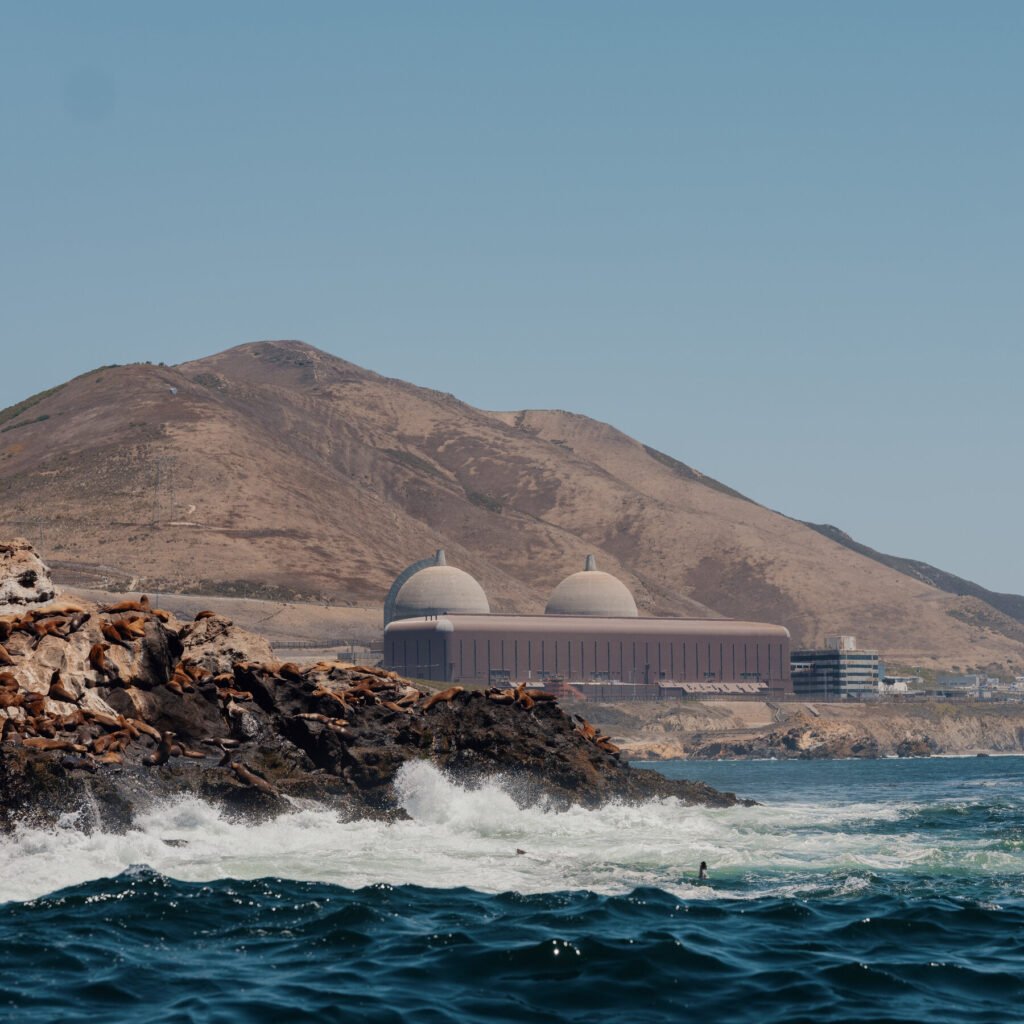
At the center of this transition is the Diablo Canyon Power Plant, California’s last remaining operational nuclear facility. Situated on the scenic coast of San Luis Obispo County, the plant has long been a lightning rod for environmental activism. Yet, in a move that stunned both allies and opponents, state lawmakers and Governor Gavin Newsom spearheaded emergency legislation to extend the plant’s operational lifespan. This decision marks a fundamental departure from the state’s previous trajectory, which aimed to phase out nuclear power entirely by 2025.
The strategic importance of this shift extends far beyond California’s borders. As the world’s fifth-largest economy, California serves as a regulatory and technological bellwether. Its willingness to reconsider nuclear energy signals a broader global realization: relying solely on weather-dependent renewable energy sources introduces systemic vulnerabilities that can compromise grid stability. By integrating nuclear power into its long-term planning, California is attempting to pioneer a balanced, dual-track approach that marries the rapid deployment of renewables with the unyielding reliability of zero-emission nuclear baseload power.
This policy pivot involves a complex web of stakeholders, including utility giant Pacific Gas and Electric (PG&E), federal regulators at the Nuclear Regulatory Commission (NRC), state energy planners, and a fractured environmental coalition. While some conservationists view the extension as a betrayal of green principles, a growing contingent of climate scientists and pragmatists argue that premature nuclear retirement would inevitably lead to increased reliance on natural gas, thereby derailing the state’s climate objectives.
2. Historical Background & Contextual Evolution
To understand the magnitude of the current California nuclear energy shift, one must examine the deep-seated historical opposition that shaped the state’s energy landscape. Following the national anti-nuclear protests of the 1970s and 1980s, California enacted a moratorium in 1976 that prohibited the construction of new nuclear power plants until federal regulators identified a permanent, safe disposal method for high-level radioactive waste. This law effectively capped California’s nuclear capacity, leaving only a handful of operating reactors.
Over the subsequent decades, the state’s nuclear fleet steadily contracted. The Rancho Seco plant closed in 1989 following a public referendum, and the San Onofre Nuclear Generating Station (SONGS) was permanently retired in 2013 after a minor radioactive steam leak revealed structural wear in replacement steam generators. The closure of SONGS led to an immediate and measurable spike in carbon emissions, as utilities turned to natural gas to fill the generation void. This outcome served as a cautionary tale for energy planners.
Despite this warning, PG&E, environmental groups, and labor unions reached a landmark agreement in 2016 to decommission Diablo Canyon’s two reactors by 2024 and 2025, respectively. The consensus at the time was that California’s rapidly expanding solar and wind sectors, combined with energy efficiency measures, could easily replace the plant’s 2,240 megawatts of capacity. However, this optimistic projection failed to account for the accelerating pace of climate change and the soaring electricity demand driven by the electrification of transportation and home heating. The state’s ambitious clean energy transition goals were suddenly on a collision course with physical reality.
3. In-Depth Technical & Policy Breakdown of the California Nuclear Energy Shift
The mechanics of California’s nuclear pivot are governed by a mixture of legislative mandates, financial bailouts, and complex regulatory approvals. The transition is not merely a passive policy shift but an active, multi-billion-dollar intervention designed to reshape the state’s energy profile.
The Diablo Canyon Power Plant Extension and Regulatory Hurdles
The primary legislative vehicle driving this transformation is Senate Bill 846 (SB 846), passed with an overwhelming bipartisan majority in late 2022. SB 846 authorized the Diablo Canyon power plant extension, delaying the scheduled retirement of Reactor Unit 1 to 2029 and Unit 2 to 2030. To facilitate this extension, the bill approved a $1.4 billion loan from the state to PG&E, which was later supplemented by a $1.1 billion grant from the U.S. Department of Energy’s Civil Nuclear Credit program.
However, keeping a nuclear plant running past its engineered design life is a monumental technical and regulatory challenge. PG&E must secure license renewals from the federal Nuclear Regulatory Commission (NRC), a process that requires exhaustive safety reviews, seismic hazard assessments, and structural integrity audits. Diablo Canyon is located near several active fault lines, including the Hosgri and Shoreline faults, necessitating continuous upgrades to withstand potential earthquakes. Furthermore, the plant’s once-through cooling system, which draws billions of gallons of ocean water daily, must be evaluated for its impact on marine life, drawing scrutiny from coastal protection advocates.
Nuclear Power Grid Reliability and the Intermittency Challenge
The fundamental driver behind the policy reversal is the preservation of nuclear power grid reliability. California’s aggressive push into solar energy has created the famous ‘duck curve’ phenomenon, where solar generation floods the grid during midday, causing prices to plunge, only to drop off precipitously in the late afternoon just as residential demand peaks. During these transitional hours, the grid is highly vulnerable.
In August 2020, a record-breaking heatwave across the western United States exposed these vulnerabilities, forcing the California Independent System Operator (CAISO) to initiate rolling blackouts for the first time in nearly twenty years. Battery storage technology, while growing exponentially, is currently insufficient to bridge multi-day supply gaps during prolonged heatwaves or winter storms. Diablo Canyon, which operates at a capacity factor exceeding 90%, provides a steady, unyielding baseline of electricity that keeps the grid stable when the sun sets and the wind stops blowing.
The Role of Small Modular Reactors SMRs in California’s Future
While extending Diablo Canyon is a short-term necessity, California’s long-term nuclear strategy is increasingly focusing on next-generation technologies. Chief among these are small modular reactors SMRs. Unlike traditional gigawatt-scale reactors, SMRs are compact, factory-fabricated units that can be transported by truck or rail and assembled on-site. They offer several distinct advantages:
- Enhanced Safety: Many SMR designs utilize passive safety systems that rely on gravity, natural circulation, and convection, allowing the reactor to shut down safely without human intervention or external power.
- Scalability: Utilities can install single modules or link multiple units together, matching generation capacity directly with local grid demands.
- Lower Capital Costs: The smaller physical footprint and standardized manufacturing processes significantly reduce the financial risk and construction timelines associated with traditional nuclear projects.
To integrate SMRs, California must navigate its historical 1976 moratorium. However, policymakers are exploring legal and regulatory pathways, arguing that advanced SMRs utilizing alternative coolants (such as molten salt or helium gas) and advanced fuel cycles do not fall under the same constraints as legacy light-water reactors.
4. Comparative Industry Framework
To contextualize the role of nuclear energy within California’s broader power generation landscape, it is helpful to compare it against other primary energy sources across several critical operational dimensions.
| Energy Source | Baseload Capability | Carbon Footprint (gCO2eq/kWh) | Land Footprint (Acres/MW) | Levelized Cost (LCOE $/MWh) | Grid Integration Complexity |
|---|---|---|---|---|---|
| Nuclear (Traditional) | Excellent (Continuous) | 12 (Very Low) | 1.3 (Minimal) | $130 – $200 (High Capital) | Low (Stable Baseload) |
| Nuclear (SMRs) | Excellent (Flexible) | 12 (Very Low) | < 0.5 (Ultra-Minimal) | $80 – $120 (Projected) | Low (Highly Adaptable) |
| Utility-Scale Solar | None (Intermittent) | 48 (Low) | 7.5 (High) | $30 – $50 (Very Low) | High (Requires Storage) |
| Onshore Wind | None (Intermittent) | 11 (Very Low) | 30 – 45 (Very High) | $35 – $60 (Low) | High (Requires Storage) |
| Natural Gas (CCGT) | Excellent (Dispatchable) | 490 (High) | 1.0 (Minimal) | $60 – $90 (Moderate) | Low (Highly Flexible) |
The comparative data highlights the fundamental trade-offs confronting California’s energy planners. While wind and solar boast exceptionally low levelized costs of energy (LCOE), their land requirements are massive, and their lack of baseload capability introduces severe grid integration challenges. Conversely, traditional nuclear power features high upfront capital costs but offers unparalleled reliability and an incredibly small physical footprint. Next-generation SMRs represent a highly attractive middle ground, aiming to lower capital costs while retaining the zero-carbon, high-reliability benefits of traditional nuclear generation.
5. Socio-Economic, Enterprise & Global Ramifications
The California nuclear energy shift carries profound implications for the state’s economy, corporate landscape, and the broader global energy market. At the local level, the extension of Diablo Canyon preserves approximately 1,500 high-paying, highly skilled union jobs, supporting the regional economy of the Central Coast. The plant is also the largest single property taxpayer in San Luis Obispo County, funding vital public services, schools, and infrastructure projects.
For corporate enterprises and utilities, California’s pivot is forcing a dramatic rewrite of long-term integrated resource plans (IRPs). Major utilities must recalibrate their procurement strategies, balancing investments in battery storage with long-term nuclear power purchase agreements. The decision has also energized the private sector, sparking a wave of venture capital investment into advanced nuclear startups headquartered in California, such as Oklo and Kairos Power. These companies are developing innovative micro-reactors and SMRs, aiming to commercialize advanced nuclear technology for industrial applications, data centers, and remote communities.
On the global stage, California’s policy shift is reverberating through international climate negotiations. For years, nations like Germany pursued a strict policy of nuclear phase-out, often resulting in increased coal consumption to offset energy deficits. California’s pragmatic reversal provides a powerful counter-narrative, suggesting that a successful, rapid transition to net-zero emissions is virtually impossible without preserving and expanding nuclear capacity. This realization is prompting other nations and states to re-evaluate their own nuclear assets, viewing them not as environmental liabilities, but as essential pillars of climate security.
6. Strategic Outlook & What Comes Next
Looking ahead, the path forward for California’s nuclear energy landscape is fraught with both immense promise and significant risk. The immediate milestone is securing the final, unconditional license renewals for Diablo Canyon from the NRC, a process that will play out over the next several years. Any unexpected technical defects discovered during inspections could dramatically inflate maintenance costs, testing the political resolve of state lawmakers.
Furthermore, the long-term challenge of nuclear waste disposal remains unresolved. Spent fuel assemblies from Diablo Canyon continue to accumulate on-site, stored in robust steel-and-concrete dry casks. While technically safe for decades, this localized storage is a source of ongoing public anxiety. The state must continue to pressure the federal government to establish a permanent geological repository, a task that has languished in political gridlock for forty years.
Ultimately, California’s nuclear pivot is not a step backward, but a step forward into a more mature, realistic era of environmental policy. By acknowledging that wind, solar, batteries, and nuclear are complementary rather than competitive technologies, California is positioning itself to build a resilient, decarbonized energy system capable of weathering the challenges of the twenty-first century. The success of this experiment will determine whether the state can truly achieve its goal of a 100% clean energy future without sacrificing the economic stability and reliability that its citizens demand.
7. Frequently Asked Questions (FAQ)
This section addresses the most common inquiries regarding the strategic shift in California’s energy policy and its implications for the future of clean power.
Is nuclear energy considered ‘clean’ under California law?
Yes, under California’s Senate Bill 100 (SB 100), nuclear energy is classified as a zero-carbon resource. While it is not categorized as ‘renewable’ like solar or wind, it counts toward the state’s mandate to source 100% of its retail electricity from carbon-free resources by 2045.
What happens to Diablo Canyon after 2030?
While the current extension secures operations until 2030, further extensions are theoretically possible if the grid requires it and the reactors remain structurally sound. However, any extension beyond 2030 would require new state legislation, updated environmental impact reports, and additional regulatory approvals from the NRC.
How do small modular reactors (SMRs) differ from traditional reactors?
SMRs are much smaller, producing up to 300 megawatts of electricity compared to the 1,000+ megawatts of traditional reactors. They are designed to be manufactured in factories and shipped to sites, reducing construction times and costs, and they utilize advanced passive safety systems that do not require active operator intervention to shut down safely.
Are there active seismic risks at the Diablo Canyon site?
Diablo Canyon was built to withstand major seismic events, and PG&E has continuously updated its seismic modeling and structural reinforcements. While the plant’s proximity to active faults remains a primary concern for critics, both the NRC and independent scientific panels have consistently concluded that the facility is engineered to safely withstand the maximum credible earthquake in the region.
How does California’s nuclear shift affect consumer electricity rates?
In the short term, keeping Diablo Canyon open is expected to help stabilize rates by avoiding the need to purchase expensive, peak-demand natural gas power from out-of-state. However, the long-term impact will depend on the costs of ongoing safety upgrades and whether the state successfully integrates cheaper, next-generation nuclear technologies like SMRs.
Latest Analytical Follow-up: For continuous developments on this subject, read our full investigation on How the BlueMoon Exploit Kit Weaponized the Chromium Patch Gap.
Latest Analytical Follow-up: For continuous developments on this subject, read our full investigation on Frontier AI Model Distillation: US Warns of Theft.
