
Burnham Vows to End Pension Triple Lock by 2030
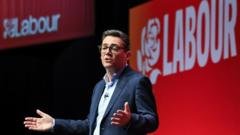
Politics has a funny way of making and breaking careers over a single, stubborn arithmetic problem. For decades, British prime ministers have danced around the third pillar of the pension triple lock like it is made of spun glass. Touch it, the conventional wisdom goes, and your political life is forfeit. Enter Andy Burnham, stepping onto the stage in Liverpool for his first major address as Labour leader and prime minister, armed with a heavy hammer and a very deliberate plan to shatter that taboo.
Prime Minister Andy Burnham announced plans to end the existing state pension triple lock by 2030, removing the automatic link with average earnings. The move is designed to generate significant savings to fund a new, free-at-the-point-of-use national care service in England, though it has triggered immediate political and union backlash.<\/p>
- 2030 Cutoff: The pension triple lock will remain active until 2030 before the automatic earnings link is modified.
- National Care Service: Savings generated from the pension adjustment will directly fund a revolutionary social care framework.
- Political Fallout: Opposition parties and union leaders have fiercely criticized the timing and funding source of the proposed reforms.
- Broader Ambitions: Burnham also floated sweeping changes to public ownership of water, housing standards, and electoral reform.
It was a speech designed to shock the system. Amid emotional recollections of his late father and a sweeping vision for national renewal, Burnham laid out a stark proposition. The triple lock—that sacred political cow introduced back in 2010 to guarantee state pensions rise by inflation, earnings, or 2.5%—has an expiration date. From 2030, it changes. And the reason why? To fund a massive, NHS-style national care service.
Facing the Pain Barrier on Social Care
For anyone who has watched elderly relatives forced to liquidate modest savings just to afford basic daily assistance in their final years, Burnham’s Diagnosis carries a ring of harsh truth. The UK’s social care system is broken. It leaks dignity, drains family wealth, and places an intolerable burden on local authorities. Burnham knows this. He also knows that fixing it requires astronomical amounts of capital.
Standing before a packed conference hall, the prime minister acknowledged the incoming political shrapnel. ‘Someone has to go through the pain barrier and rip the plaster off,’ he declared, signaling a willingness to pay the ultimate electoral price for structural reform. By altering how the pension increases relative to average earnings after 2030, the government hopes to unlock billions in savings.
“The state pension will continue to rise every year at least by prices or 2.5%. And it will hold its value relative to earnings over time so that pensioners will always share in the rising prosperity of the nation. But this change will generate significant savings which we will use to build up our national care service.” — Andy Burnham
Officials estimate that tweaking the formula could save upwards of £15 billion a year by 2040. Yet, fiscal experts urge caution. Jonathan Cribb, deputy director at the Institute for Fiscal Studies (IFS), notes that while long-term savings could be substantial, the immediate financial relief in the early years of the next decade will be relatively modest.
Weighing the Financial Impact
To understand the sheer scale of the debate surrounding UK state pension reform, it helps to examine the core mechanics of the proposed adjustments against expert projections.
| Metric / Proposal | Current System | Burnham’s Post-2030 Plan |
|---|---|---|
| Annual Increase Guarantee | Highest of Inflation, Earnings, or 2.5% | Highest of Inflation or 2.5% (Earnings link removed) |
| Primary Target Funding | General Exchequer / Undefined | Free-at-point-of-use National Care Service |
| Projected Fiscal Savings | None | Estimated £15bn annually by 2040 |
The Immediate Backlash and Political Fallout
Unsurprisingly, the political shockwaves hit Westminster and beyond within minutes of the final applause. Critics from across the spectrum lost little time drawing battle lines. Trade unions, usually natural allies to a Labour administration, reacted with visceral skepticism. Sharon Graham, general secretary of Unite, openly argued that the prime minister had pulled the wrong lever, suggesting a wealth tax on the ultra-rich would have been a far fairer method to finance social care without touching the incomes of older citizens.
Meanwhile, the opposition did not mince words. Conservative leader Kemi Badenoch warned that further tax rises are now entirely inevitable under Labour’s watch. Reform UK’s Nigel Farage went further, accusing the prime minister of launching a direct offensive against Britain’s elderly demographic. Liberal Democrat leader Sir Ed Davey chimed in, arguing that struggling families cannot afford to wait another decade for relief while the poorest pensioners shoulder the burden.
Rebuilding Public Infrastructure and Beyond
Pensions and social care were far from the only radical items on Burnham’s agenda. In a wide-ranging blueprint for the country, the prime minister set his sights on privatized utilities and public assets. Citing the need to undo decades of decay, Burnham announced plans to repeal Margaret Thatcher’s historical ban on public ownership of water companies, kicking off a ten-year transition toward localized mayoral accountability.
Housing standards, too, face a severe shakeup. Local councils will soon find it much easier to acquire poorly maintained private rented homes if landlords ignore official warnings. Furthermore, in a nod to younger voters and shifting European alliances, Burnham admitted that Brexit has dealt structural damage to the British economy, signaling an intent to seek closer, more pragmatic ties with Brussels.
Ultimately, Burnham’s gamble is historical. He is betting that the electorate will forgive a painful adjustment to the pension triple lock if it delivers a functional, compassionate social care funding England desperately needs. Whether voters will buy that bargain in 2029 remains the ultimate question hanging over British politics.
<button type="button" onclick="this.parentElement.innerHTML='✓ Thank you, we will refine our analysis!‘” style=”background:#ffffff; border:1px solid #cbd5e1; border-radius:6px; padding:4px 12px; font-size:12px; cursor:pointer; color:#334155;”>👎 No
Latest Analytical Follow-up: For continuous developments on this subject, read our full investigation on Vape Prices to Rise: The Economic Fallout of the New Tax.
Latest Analytical Follow-up: For continuous developments on this subject, read our full investigation on How to Reduce Heating Bills as Winter Energy Prices Surge.
