
GLP-1 Weight Loss Drugs Impact Global Beauty and Skincare Sales
The boardroom at L’Oreal looked a little different when chief executive Nicolas Hieronimus took to the investor call. Amid strong quarterly figures—sales jumping by an impressive 7.7% in the three months leading to September, easily beating analyst expectations—one major economic disruptor dominated the conversation. It had nothing to do with supply chains, inflation, or shifting retail channels. Instead, the titan of global cosmetics was wrestling with a pharmaceutical revolution.
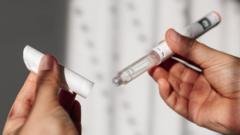
GLP-1 weight loss drugs like Ozempic, Wegovy, and Mounjaro are directly impacting the beauty and skincare sector. Rapid weight loss caused by these medications often results in facial volume loss and skin sagging, prompting major cosmetic giants like L'Oreal to develop targeted skincare and clinical aesthetic solutions.<\/p>
- Market Disruption: The explosive popularity of GLP-1 receptor agonists is shifting consumer spending habits away from traditional beauty routines toward targeted treatments.
- The 'Ozempic Face' Phenomenon: Rapid, appetite-suppressing weight loss frequently leads to loose facial skin and collagen depletion, sparking new skincare demands.
- Corporate Pivots: Beauty conglomerates are actively acquiring stakes in dermatology firms and testing specialized topicals to combat rapid weight loss side effects.
The meteoric rise of GLP-1 weight loss drugs has fundamentally altered the consumer landscape. Originally engineered to manage type-2 diabetes, blockbuster medications like Ozempic, Wegovy, and Mounjaro have swept across Western societies. Their secret? They ruthlessly suppress appetite, ushering in unprecedented waves of body transformations. But as millions shed pounds at a blistering pace, an unexpected economic ripple effect has hit an entirely different sector: mirror-facing routines. People are buying fewer heavy concealers for certain areas, yet they are scrambling for solutions to entirely new dermatological realities.
The Anatomy of Rapid Transformation
Gravity is unforgiving. When body fat disappears overnight, the skin struggles to catch up. Dermatologists and aesthetic physicians have quickly grown familiar with a new colloquialism: the “Ozempic face.” While these pharmaceutical compounds do not directly damage skin cells, the sheer velocity of subcutaneous fat loss strips the face of its natural scaffolding. Hollowed cheeks, premature wrinkles, and pronounced sagging follow closely behind the scale’s downward tick.
This aesthetic reality check has caught the attention of corporate boardrooms. Industry analysts note that consumer spending priorities are shifting. Rather than investing heavily in traditional anti-aging creams designed for gradual chronological aging, millions of consumers now require intensive firming agents tailored to accelerated structural collapse. According to Reuters reports, major market players are tracking these consumer anxiety loops closely, discovering that weight loss medication users are hyper-focused on maintaining facial elasticity.
“The rise of GLP-1 usage is a very important phenomenon for us. It is having a clear impact on beauty consumption and skin care consumption in particular.” — Nicolas Hieronimus, L’Oreal CEO
When the head of the world’s largest beauty company sounds the alarm, the market listens. L’Oreal’s vast portfolio—anchored by household names like Maybelline, Lancôme, and La Roche-Posay—is uniquely positioned to pivot. Yet, the corporate strategy requires more than just marketing tweaks. It demands deep scientific intervention.
Targeting the Side Effects of Success
How does a cosmetic giant combat pharmaceutical-grade weight loss? By bridging the gap between cosmetics and clinical dermatology. L’Oreal has systematically leaned into medical aesthetics, highlighted by its strategic decision to increase its stake in dermatology powerhouse Galderma to 20%. Galderma owns heavy-hitting aesthetic treatments including Sculptra, an injectable designed to stimulate natural collagen production, and Restylane, a premier dermal filler.
Simultaneously, internal L’Oreal brands are mobilizing. Both SkinCeuticals and Kiehl’s have engineered specialized topical formulations meant to work in tandem with medical weight loss regimens. These products are specifically targeted at mitigating skin sagging and restoring surface integrity. Clinical trials are already underway, testing whether specialized topicals can match the aggressive structural demands of GLP-1 users.
Market Comparison: Traditional Skincare vs. GLP-1-Targeted Aesthetics
| Feature | Traditional Anti-Aging Skincare | GLP-1-Targeted Skincare & Aesthetics |
|---|---|---|
| Primary Driver | Chronological aging, UV damage, dehydration | Rapid subcutaneous fat loss, structural volume collapse |
| Key Concerns | Fine lines, hyperpigmentation, minor loss of elasticity | Severe facial sagging, hollowed cheeks, rapid skin laxity |
| Product Category | Retinoids, moisturizers, standard serums | Collagen stimulators, dermal fillers, intensive firming topicals |
| Consumer Urgency | Gradual, preventative maintenance | Immediate, corrective intervention |
Notice the stark divergence in consumer intent. Traditional skincare is largely preventative, built around a multi-decade timeline of cellular renewal. Conversely, the GLP-1 consumer is engaged in rapid crisis management. They are experiencing dramatic physical shifts in a matter of months, necessitating immediate, high-efficacy cosmetic interventions.
The Broader Economic Ripple Effect
The convergence of Big Pharma and Big Beauty signals a broader evolution in consumer capitalism. For decades, the cosmetics industry operated on the promise of topical miracles. Creams promised to mimic procedures; serums promised to defy gravity through botanical extracts alone. Today, that boundary is dissolving. Consumers are combining prescription metabolic treatments with targeted clinical topicals and minimally invasive aesthetic procedures.
Market research firms indicate that this crossover demographic spends significantly more on personal care overall, though their basket composition has undeniably shifted. Makeup sales within specific categories face headwinds as users require less coverage for traditional blemishes but demand vastly superior tightening solutions. The beauty counter is no longer isolated from the physician’s office.
As global supply chains scale up production for next-generation weight loss medications, the beauty sector will continue adapting in real-time. Brands that fail to acknowledge the physical fallout of rapid weight loss risk losing market share to agile conglomerates willing to invest in clinical validation.
Ultimately, the vanity economy has proven remarkably resilient. It bends, it reinvents, and sometimes, it hitches a ride on a pharmaceutical breakthrough. For L’Oreal and its competitors, the challenge is clear: build the scaffolding for a shrinking customer base, or watch them slip through the cracks.
<button type="button" onclick="this.parentElement.innerHTML='✓ Thank you, we will refine our analysis!‘” style=”background:#ffffff; border:1px solid #cbd5e1; border-radius:6px; padding:4px 12px; font-size:12px; cursor:pointer; color:#334155;”>👎 No
