
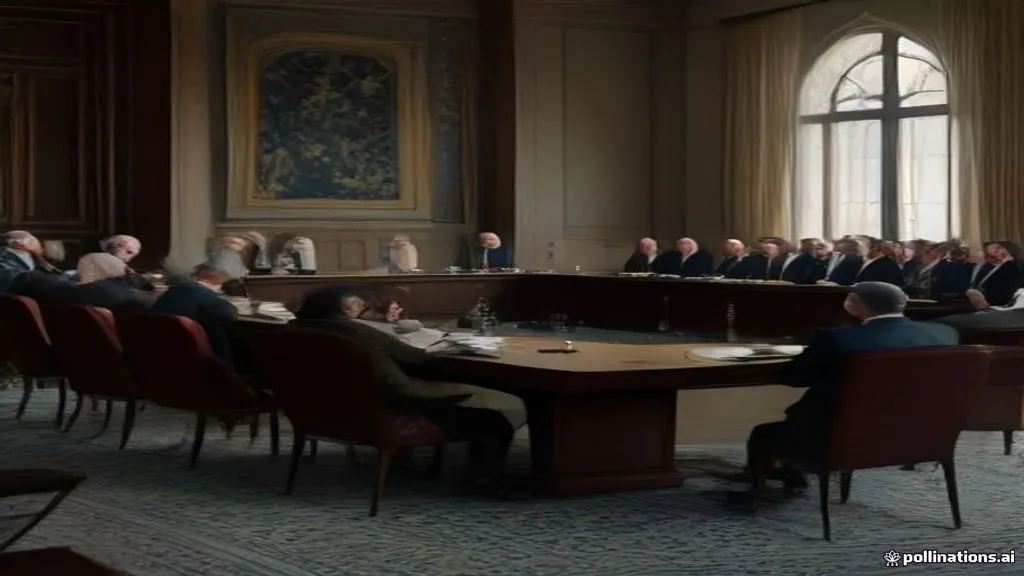
US Grants Visas for UNGA as Iran Conflict Enters Seventh Month
When Washington agreed to let an Iran delegation UN meetings contingent enter Manhattan this week, it did so against the grim backdrop of an active, grinding war. Seven months have passed since the first joint US and Israel strikes lit up the skies over Tehran on February 28. Since then, the conflict has metastasized. It has bled across borders, dragged in regional proxies, and sent energy markets into a volatile tailspin.
The US government has granted visas for an Iran delegation UN meetings appearance in New York during the UN General Assembly. Led by President Masoud Pezeshkian and Foreign Minister Abbas Araghchi, the delegation faces strict travel boundaries and luxury product bans amid the ongoing seven-month US-Iran conflict.<\/p>
- High-Level Access: Washington grants visas to a trimmed-down Iranian delegation, including President Masoud Pezeshkian and Foreign Minister Abbas Araghchi, for the 81st UN General Assembly.
- Strict Oversight: The visiting diplomats face rigorous travel restrictions and bans on luxury goods, continuing a precedent set during previous UN sessions.
- Persistent Conflict: The diplomatic engagement occurs as the US-Iran war grinds into its seventh month, sending shockwaves through global energy markets and regional stability.
/
1:40
Yet, diplomacy—however frostbitten—refuses to die entirely.
A spokesperson for the US State Department confirmed on Thursday that visas have been issued for the core Iranian leadership. This ensures that President Masoud Pezeshkian and Foreign Minister Abbas Araghchi can take their places at the 81st session of the UN General Assembly. But the welcome wagon has clear limits. Bound by strict travel perimeters and barred from luxury shopping sprees, these diplomats arrive under an undeniable cloud of hostility.
Balancing Host-Country Obligations and Wartime Realities
International law leaves little room for maneuver. As the host nation for the United Nations headquarters in New York, the United States carries a legal obligation to facilitate access for member states. Defying these treaty duties would fracture the fragile architecture of the international body.
Even so, the White House has made sure the accommodation comes with handcuffs.
“Consistent with our host country obligations, the core delegation from the Iranian regime will be able to attend UN General Assembly High Level Week,” a State Department official told BBC News in a statement. “The delegation will be under travel restrictions and will face prohibitions on the purchase of luxury and other goods per our policy. The delegation is smaller than last year.”
These punitive curbs are hardly new, though they sting all the more during an active war. Last year, Iranian diplomats found themselves locked out of wholesale giants like Costco. They needed explicit federal sign-off just to purchase luxury vehicles, jewelry, or alcohol. For a delegation representing a nation absorbing heavy infrastructure damage and facing crippling sanctions, the humiliation is part of the diplomatic theater.
The Ground Reality of a Seven-Month War
Away from the polished oak tables of the UN headquarters, the war shows no mercy. As the conflict enters its seventh month, the initial shock has settled into a brutal war of attrition. Iran has retaliated repeatedly, striking American military installations and allied Gulf states, alongside ongoing exchanges with Israel.
Global economic ripples continue to widen. Energy traders remain on edge, bracing for the next supply disruption as tanker routes through the Strait of Hormuz face persistent threats. Meanwhile, international investigators are probing reports of potential war crimes tied to early strikes, keeping legal and political pressure squarely on Western capitals.
Political analysts tracking the White House note that domestic pressure is mounting. Voters want answers, and more importantly, they want an off-ramp.
| Key Aspect | Details / Parameters |
|---|---|
| Conflict Timeline | Began February 28, now entering its seventh month. |
| Key Iranian Figures | President Masoud Pezeshkian and Foreign Minister Abbas Araghchi. |
| US Restrictions | Mandated travel perimeters; bans on luxury goods and wholesale shopping. |
| Notable Exclusions | Palestinian President Mahmoud Abbas and delegation denied visas for the second consecutive year. |
SEEUY INTELLIGENCE
Iran Delegation UN Meetings – Analytical Overview
Conflict Timeline
Began February 28, now entering its seventh month.
Key Iranian Figures
President Masoud Pezeshkian and Foreign Minister Abbas Araghchi.
US Restrictions
Mandated travel perimeters; bans on luxury goods and wholesale shopping.
Notable Exclusions
Palestinian President Mahmoud Abbas and delegation denied visas for the second consecutive year.
The Diplomatic Schedule and Notable Absences
The UN General Debate begins in earnest on Tuesday. The lineup reads like a geopolitical who’s who of current flashpoints. US President Donald Trump takes the podium alongside UK Prime Minister Andy Burnham and French President Emmanuel Macron.
Mid-week brings a shift toward the war zones themselves. Wednesday speeches are slated to feature the leaders of Ukraine, Syria, and crucially, Iran. Whether Pezeshkian uses the global microphone to signal a willingness to negotiate or to double down on anti-Western rhetoric remains the burning question in diplomatic circles.
Conspicuously absent from the New York roster, however, is the Palestinian delegation. For the second year running, the White House denied visas to Palestinian President Mahmoud Abbas and his team. Washington continues to withhold official recognition of their diplomatic standing, drawing sharp criticism from human rights advocates and international observers alike.
Navigating the Storm
As the UNGA sessions unfold under heavy security, the presence of Iranian officials in New York underscores a bizarre paradox. Two nations locked in a bitter, bloody war are forced to share a zip code under the banner of global diplomacy. Whether this uneasy proximity yields a spark of peace or simply fuels another round of propaganda is a question only the coming days can answer.
<button type="button" onclick="this.parentElement.innerHTML='✓ Thank you, we will refine our analysis!‘” style=”background:#ffffff; border:1px solid #cbd5e1; border-radius:6px; padding:4px 12px; font-size:12px; cursor:pointer; color:#334155;”>👎 No
