
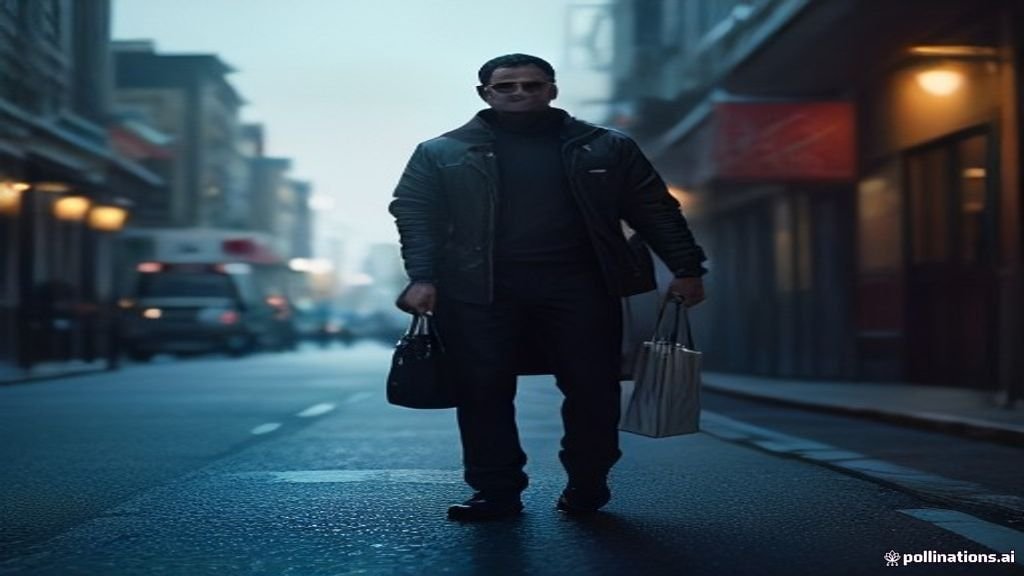
Inside the Shoplifting Crisis: Lists, Loot, and Retail Crime
Walk down the high street on a crisp Tuesday morning, and you might think everything is peaceful. Behind the glass windows of major retailers, however, a quiet war is being waged. The face of retail crime has changed dramatically over the last few years. It is no longer just about the opportunistic teenager pocketing a chocolate bar. Today, storefronts are battling a sophisticated, often chillingly organized wave of theft that threatens the very viability of physical commerce.
Retail crime has evolved into an organized enterprise where offenders frequently carry specific shopping lists to steal high-value goods like meat, alcohol, and designer suits to order, driving billions in losses and forcing merchants to rethink their frontline security strategies entirely.<\/p>
- Targeted Hauls: Modern shoplifters increasingly operate with predetermined shopping lists, executing thefts to fulfill specific orders for valuable items.
- Shifting Demographics: Store managers report that perpetrators range from desperate individuals battling addiction to bored amateurs and organized syndicates.
- Reporting Deficits: A persistent challenge for local law enforcement remains convincing stressed retailers to officially report every incident rather than absorbing the losses.
The Myth of the Typical Shoplifter
Ask anyone to picture a shoplifter, and cinematic clichés usually take over. Hooded youths, darting eyes, frantic dashes for the exit. But seasoned store managers will tell you a very different story. There is no neat box to check anymore.
Consider the perspective of Elisa Lewis, a regional manager overseeing Marks & Spencer locations across Shropshire. For her, retail theft is not a rare occurrence; it is a daily, sometimes hourly, battle of attrition. Her experience shatters comfortable assumptions.
In my experience it can be anybody. It can be a bored housewife who’s just nicking a jacket for a bit of fun, and the people who we do catch are sometimes those we least expect.
Then, of course, there is the devastating human cost of addiction. Staff frequently encounter individuals grappling with severe substance dependencies who walk out with goods simply to fund their next hour, offering raw, desperate justifications about survival. For frontline retail workers, many of whom are smaller in physical stature, confronting these individuals is intensely intimidating. Over time, unfortunately, they have had to grow thick skins.
Stealing to Order: The Rise of the Shopping List
Perhaps the most alarming evolution in modern retail crime is the transition from random pilfering to corporate-style logistics. Shoplifters are no longer just grabbing what looks shiny. They are walking into stores armed with precise briefs.
They carry shopping lists.
These are not grocery lists for Sunday dinner. These are specific commissions. Criminals scout ahead, take notes, and return to execute targeted sweeps designed to net thousands of pounds in stolen merchandise in a single stroke. Cath Harmer, representing the Shrewsbury BID (Business Improvement District), notes that these operations often involve stolen goods being gathered for pre-arranged buyers.
Timing is everything in this underground economy. The peak hours for these calculated thefts are rarely the chaotic, bustling mid-afternoons. Instead, thieves strike during the quieter margins of the day—often the very first hour of trade. During these windows, desperate actors make a beeline for high-liquidity items. They target meat, expensive alcohol, and designer suits because these commodities command the highest and fastest return on the black market.
The Economic Tightrope and Local Impacts
The correlation between economic hardship and crime rates is well-documented by institutions like Bloomberg, but watching it unfold on a local high street is profoundly disheartening. Store managers report that theft metrics wax and wane directly in tandem with household budgets and inflation. When financial pressure mounts, theft surges.
Yet, a strange psychological phenomenon often plagues the retail sector: under-reporting. Many merchants, battered by high overheads and administrative fatigue, simply choose to absorb the losses rather than deal with the arduous reporting process. This silence emboldens offenders.
Local law enforcement has recognized this communication gap. In towns like Shrewsbury, officers have spent over a decade and a half painstakingly fostering trust with business owners. Inspector Ingrid Tozer and PC Joseph Bradley have spearheaded initiatives to bridge the divide, emphasizing that community policing and a visible uniformed presence remain the ultimate deterrents.
When police boots hit the pavement consistently, the drop in incidents is tangible. Criminal Behaviour Orders (CBOs) handed down to the most prolific offenders have brought temporary relief to beleaguered shopkeepers, proving that strategy matters just as much as raw manpower.
Comparing Retail Theft Dynamics
| Offender Profile | Target Items | Primary Motivation |
|---|---|---|
| The Organized Thief | Suits, Alcohol, Electronics | Fulfilling specific orders for cash resale |
| The Dependent Individual | Meat, Spirits, Quick-sale goods | Funding substance addiction |
| The Opportunist | Apparel, Cosmetics, Novelties | Thrill-seeking or casual impulse |
SEEUY INTELLIGENCE
Retail Crime – Analytical Overview
The Organized Thief
Suits, Alcohol, Electronics
The Dependent Individual
Meat, Spirits, Quick-sale goods
The Opportunist
Apparel, Cosmetics, Novelties
Deterrence, Bans, and the Human Element
How do major retailers fight back without turning every clothing store into an impenetrable fortress? Security measures have had to evolve. Major players like Marks & Spencer utilize aggressive policies, including lifetime bans for convicted shoplifters. For younger or first-time offenders, the sudden reality of a permanent ban acts as a severe, sobering shock.
However, nuance still has its place. Retailers frequently utilize in-house evaluation rooms to understand the underlying motivations behind an incident before bringing down the full weight of corporate policy. Distinguishing between a desperate mistake and a professional syndicate ring is crucial for community safety.
Ultimately, tackling the shoplifting epidemic requires more than just locking items behind plexiglass. It demands unbroken communication between independent traders, organized business groups like the Shrewsbury Rangers, and proactive local police forces. Until the underlying economic drivers and organized syndicates are systematically dismantled, the shopping lists will keep coming—and high street retailers will have to stay permanently on guard.
<button type="button" onclick="this.parentElement.innerHTML='✓ Thank you, we will refine our analysis!‘” style=”background:#ffffff; border:1px solid #cbd5e1; border-radius:6px; padding:4px 12px; font-size:12px; cursor:pointer; color:#334155;”>👎 No
Latest Analytical Follow-up: For continuous developments on this subject, read our full investigation on US Interest Rates Raised by Fed in Shift.
