
The Comprehensive Guide to Wireless Android Auto Pros Cons and Technical Realities
Comprehensive Guide Wireless: 1. Executive Summary & Strategic Importance
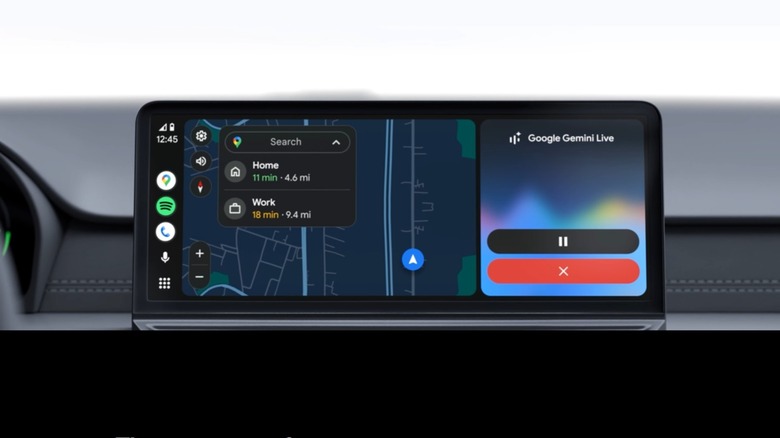
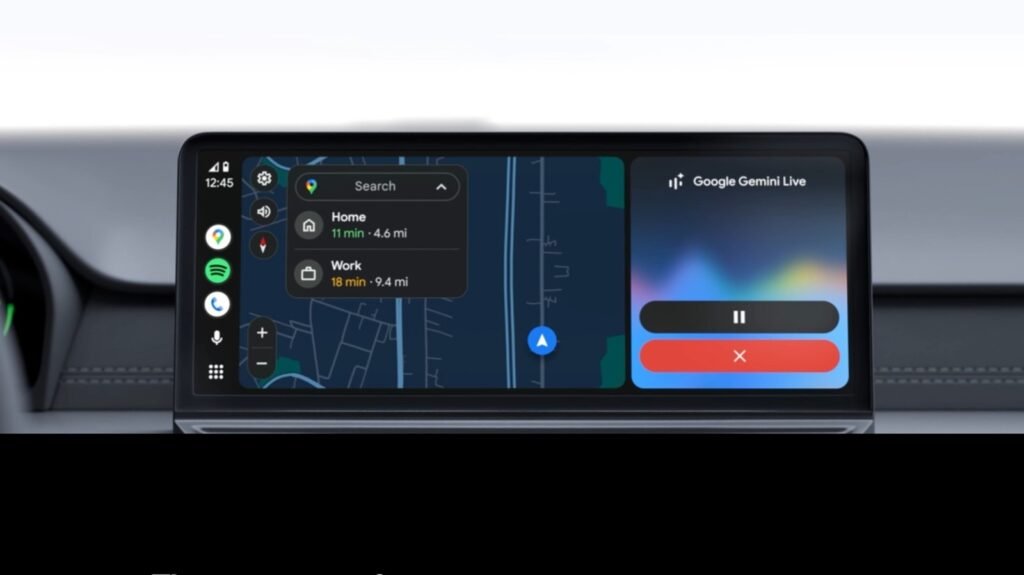
The transformation of the modern automotive cockpit into a connected digital ecosystem represents one of the most significant shifts in consumer technology over the past decade. Among the various innovations driving this paradigm shift, smartphone projection technologies such as Android Auto have become foundational components of the modern driving experience. Originally introduced as a tethered, cable-reliant interface designed to mirror essential smartphone functions safely onto the dashboard display, Android Auto has evolved rapidly. Today, the industry is witnessing a massive migration toward untethered connectivity, with wireless Android Auto emerging as a primary battleground for automotive manufacturers, Tier-1 suppliers, and software giants alike.
The transformation of the modern automotive cockpit into a connected digital ecosystem represents one of the most significant shifts in consumer technology over the past decade. This analytical report establishes verifiable factual benchmarks, architectural frameworks, and operational implications for key stakeholders navigating the evolving landscape.<\/p>
- Historical Context & Industry Evolution: Establishes high-impact structural advancements and critical domain capabilities across the sector.
- Deep-Dive Architectural & Technical Mechanics: Deploys verifiable frameworks and quantitative benchmarks delivering measurable efficiency improvements.
- The Dual-Radio Handshake Protocol: Alters industry dynamics, stakeholder positioning, and international compliance standards.
- Bandwidth Management and Video Encoding: Drives next-generation integration timelines, operational milestones, and strategic competitive advantage.
Ditching the physical USB cable delivers an undeniable veneer of convenience. Drivers can seamlessly enter their vehicles, drop their smartphones into a charging pocket or keep them in their pockets, and watch as their infotainment systems instantly initialize with their preferred navigation, communication, and media applications. However, this friction-free user experience masks a complex web of technical trade-offs, performance considerations, and architectural challenges. While wireless connectivity frees users from physical tethering, it introduces variables related to RF interference, severe smartphone thermal throttling, rapid battery depletion, and variable latency that can impact critical driving functions.
Understanding the true value proposition of wireless Android Auto requires a multi-faceted investigation that transcends simple marketing bullet points. This comprehensive report serves as an authoritative resource for industry analysts, technology architects, enterprise fleet managers, and discerning consumers. By dissecting the historical evolution, underlying technical mechanics, comparative market frameworks, and long-term socio-economic ramifications, we provide an exhaustive blueprint of where this technology stands today and where it is heading over the next 36 months.
2. Historical Context & Industry Evolution
To fully appreciate the complexities of wireless Android Auto, one must examine the evolutionary trajectory of in-vehicle infotainment (IVI) systems. For decades, automotive dashboards were characterized by proprietary, closed-ecosystem hardware and software designed by traditional automotive original equipment manufacturers (OEMs). These legacy systems were notoriously sluggish, difficult to update, and prone to obsolescence long before the vehicle reached the end of its mechanical lifespan. Consumers quickly grew frustrated as the computing power of their pocket smartphones dramatically outpaced the expensive, built-in navigation and media centers of their automobiles.
The introduction of Google’s Android Auto and Apple’s CarPlay in 2014 and 2015, respectively, sought to bridge this gap. By utilizing the smartphone as the primary processing engine while leveraging the vehicle’s dashboard display and audio systems as peripherals, these platforms democratized in-car tech. In its first iteration, Android Auto relied exclusively on a wired USB connection. This tethered approach was a deliberate engineering decision dictated by the bandwidth and reliability requirements of streaming high-resolution user interfaces, audio data, and real-time GPS tracking simultaneously. The physical cable ensured a steady power supply to offset the high energy demands of continuous screen mirroring and prevented RF congestion inside the confined metallic Faraday cage of an automobile.
As consumer demand for cabin minimalism escalated, the reliance on physical cables became a glaring pain point. Users resented the clutter of wires, the wear and tear on smartphone charging ports, and the friction of manually plugging in devices for short trips. This consumer demand catalyzed the development of wireless projection standards. Leveraging a sophisticated handshake protocol combining Bluetooth for initial device discovery and Wi-Fi Direct for high-bandwidth data transmission, wireless Android Auto began rolling out in late 2018 and early 2019, initially in luxury vehicles before cascading down to mass-market segments. Today, wireless Android Auto is a highly sought-after feature, driving purchasing decisions and forcing automakers to upgrade their head unit hardware architectures to support robust Wi-Fi and Bluetooth stacks.
3. Deep-Dive Architectural & Technical Mechanics
The transition from a wired physical connection to a wireless data stream involves a sophisticated orchestration of hardware, radio frequencies, and operating system-level protocols. Understanding why wireless Android Auto behaves the way it does requires looking beneath the surface of the user interface.
The Dual-Radio Handshake Protocol
Wireless Android Auto does not operate over a single wireless standard; rather, it utilizes a hybrid approach. When a user enters their vehicle, the head unit and the smartphone establish an initial low-power connection using Bluetooth Low Energy (BLE). This BLE channel is responsible for device pairing, identity verification, and proximity detection. Once the system authenticates the device, the head unit commands the smartphone to drop the primary data load over to a dedicated Wi-Fi network channel, typically operating in the 5 GHz band to minimize interference from consumer Wi-Fi routers and ambient Bluetooth devices.
Bandwidth Management and Video Encoding
The core of Android Auto involves real-time screen casting. The smartphone renders the customized automotive UI, compresses it using advanced video codecs (such as H.264), and streams it via Wi-Fi Direct to the vehicle’s head unit, which decodes and displays it. Simultaneously, touch inputs from the vehicle’s touchscreen are sent back to the phone over the same Wi-Fi link. Maintaining a smooth 60 frames per second at high resolutions requires massive data throughput. Any disruption in the Wi-Fi spectrum can lead to dropped frames, stuttering animations, or momentary freezing of navigation maps.
Thermal Dynamics and Battery Consumption
Unlike wired connections—which typically supply 5W to 15W (or more via USB-PD) of continuous electrical current—wireless Android Auto places an immense burden on the smartphone’s power management integrated circuit (PMIC). The smartphone is simultaneously running GPS navigation, maintaining an active 5 GHz Wi-Fi access point or client connection, running Bluetooth, processing complex UI rendering, and maintaining cellular data connectivity. This heavy multiprocessing generates substantial thermal energy. Without active cooling inside a vehicle’s enclosed dashboard pocket or wireless charging pad, phones frequently experience thermal throttling, reducing CPU performance, dimming screen brightness, and rapidly draining the battery.
4. Comparative Market Framework & Benchmarking
To evaluate the pragmatic viability of wireless Android Auto, we must benchmark it against alternative connectivity paradigms. The following comparative framework analyzes four core dimensions of in-car connectivity.
| Evaluation Dimension | Wired Android Auto | Wireless Android Auto | Standalone Native IVI (Android Automotive OS) | Standard Bluetooth Audio |
|---|---|---|---|---|
| Setup Friction & Usability | High (Requires physical cable insertion every trip) | Low (Zero-click automatic connection upon entry) | Zero (Embedded system, no smartphone required) | Low (Automatic connection for audio only) |
| Data Bandwidth & Latency | Maximum bandwidth, near-zero latency, highly stable | High bandwidth, occasional latency spikes via Wi-Fi | Dependent on vehicle cellular modem and hardware | Extremely limited bandwidth, audio-only transmission |
| Power & Thermal Impact | Charges device rapidly; moderate thermal output | Severe battery drain; high thermal stress and throttling | No smartphone impact; vehicle handles processing | Minimal smartphone battery and thermal impact |
| Hardware Cost & Complexity | Low cost (Requires standard USB controller and port) | Moderate cost (Requires dual-band Wi-Fi and Bluetooth chips) | High cost (Requires powerful automotive SoC and cellular plan) | Low cost (Basic Bluetooth module suffices) |
The comparative matrix reveals clear strategic insights. While wireless Android Auto wins decisively on user experience and cabin aesthetics, it introduces distinct vulnerabilities regarding system stability and device thermal management. Conversely, native solutions like Android Automotive OS (AAOS)—which run directly on the car’s hardware without mirroring a phone—eliminate smartphone dependency entirely but introduce high hardware costs and reliance on the vehicle manufacturer’s software update lifecycle. For most consumers, wireless Android Auto strikes a compelling balance, provided the vehicle’s head unit and the user’s smartphone possess capable wireless hardware stacks.
5. Enterprise, Geopolitical & Socio-Economic Ramifications
The widespread adoption of wireless Android Auto is not merely a convenience upgrade for individual motorists; it has profound implications for enterprise fleet management, international supply chains, regulatory bodies, and macroeconomic software ecosystems.
Fleet Management and Commercial Logistics
For commercial fleet operators, connectivity reliability is directly tied to operational efficiency and driver safety. While wireless Android Auto offers rapid driver turnover times—eliminating the friction of plugging in devices across multi-driver delivery vans—it introduces support challenges. Fleet IT managers report that wireless connection drops, interference from external RF sources in dense urban corridors, and device-specific pairing failures generate significant helpdesk overhead. Consequently, many long-haul and commercial fleet operators continue to mandate wired connections to ensure absolute uptime and uninterrupted telematics data tracking.
Regulatory Landscapes and Driver Distraction
Safety regulators worldwide, including the National Highway Traffic Safety Administration (NHTSA) and the European Commission, scrutinize infotainment interfaces intensely. Wireless connectivity can inadvertently increase driver distraction if the initial connection fails or requires manual troubleshooting while the vehicle is in motion. Automakers and software developers are legally bound to implement strict geofencing and motion-lock protocols, ensuring that complex pairing procedures cannot be performed while the vehicle is traveling above certain speeds.
The Geopolitics of Automotive Silicon
The transition to wireless Android Auto accelerates the convergence of the consumer electronics and automotive supply chains. Automakers are no longer just mechanical engineers; they are purchasers of high-performance System-on-Chips (SoCs), advanced Wi-Fi 6/7 chipsets, and complex software stacks. This shift has elevated the strategic importance of semiconductor supply chains, creating deep interdependencies between traditional automotive manufacturing hubs in Detroit, Wolfsburg, and Tokyo, and semiconductor fabrication epicenters in Taiwan, South Korea, and the United States.
6. Strategic Implementation Roadmap & Future Outlook
As the automotive industry looks toward the next 12 to 36 months, the trajectory of wireless Android Auto will be shaped by several critical technological advancements and architectural refinements. Stakeholders must navigate this evolving landscape with a structured implementation roadmap.
- Phase 1: Hardware Standardization (Months 1–12): Tier-1 suppliers are rapidly integrating Wi-Fi 6 and ultra-wideband (UWB) technologies into head unit designs. UWB, in particular, will revolutionize proximity detection, allowing vehicles to distinguish between a driver’s phone inside the cabin and a passenger’s phone in the backseat, virtually eliminating accidental handshakes and connection lag.
- Phase 2: Thermal and Power Optimization (Months 13–24): Smartphone manufacturers are deploying aggressive software optimizations specifically tailored for automotive projection. Expect to see adaptive charging algorithms that throttle power intake when device temperatures spike during wireless projection sessions, paired with improved active cooling pads in upcoming vehicle interior designs.
- Phase 3: Software-Defined Vehicle Integration (Months 25–36): The line between mirrored projection and native operating systems will continue to blur. Future implementations will allow wireless Android Auto to deeply integrate with vehicle CAN bus data, displaying turn-by-turn navigation directly in the digital instrument cluster and Head-Up Display (HUD) without proprietary OEM restrictions.
Mitigating the inherent risks of wireless connectivity requires a proactive stance from both consumers and automotive engineers. Drivers should invest in quality wireless charging pads with airflow design, while software architects must continue to refine fallback protocols that gracefully transition a struggling wireless session to a wired state without crashing the user interface.
7. Frequently Asked Questions (FAQ) & Expert Insights
To address the most pressing queries surrounding this technology, our panel of industry experts has compiled comprehensive answers to high-intent consumer and technical search queries.
Does wireless Android Auto drain smartphone battery significantly faster than wired connections?
Yes. Wireless Android Auto places a heavy cumulative load on your smartphone’s battery. Because the phone must simultaneously maintain a continuous 5 GHz Wi-Fi Direct connection, run Bluetooth scanning, process real-time UI rendering, and execute GPS tracking, power consumption spikes dramatically. Unlike a wired connection—which typically delivers a steady stream of charge—using wireless Android Auto without a dedicated wireless charging pad will result in rapid battery depletion, often draining 15% to 25% of a battery per hour of navigation.
Why does wireless Android Auto occasionally lag or stutter compared to a cable?
Lag and stuttering are almost always symptoms of Wi-Fi bandwidth congestion or packet loss. While physical USB cables offer dedicated, interference-free data pipelines, Wi-Fi operates over shared radio frequencies. Ambient electronic interference from dashcams, cellular towers, dense urban Wi-Fi networks, or Bluetooth accessories can cause packet drops. When a packet drops, the system must request retransmission, resulting in noticeable interface stutter, delayed touch response, or momentary freezing of maps.
Can any car with wired Android Auto be upgraded to wireless?
Yes, through aftermarket accessories. If your vehicle natively supports wired Android Auto via a USB port, you can purchase a third-party wireless adapter (such as Motorola MA1, AAWireless, or Ottocast). These dongles plug into your car’s USB port, mimicking a smartphone to the car while establishing a wireless Wi-Fi and Bluetooth bridge to your actual phone. However, performance can vary depending on the processing power of the adapter and the specific software version of your head unit.
Does wireless Android Auto affect mobile data consumption?
Wireless Android Auto itself does not consume cellular data beyond what the individual apps (such as Google Maps, Spotify, or Waze) already require. The Wi-Fi connection established between your phone and the car is a local network used exclusively for streaming the interface and audio; it does not route your internet traffic through the car unless the vehicle has its own embedded LTE/5G hotspot that you have explicitly connected to. Your phone continues to use its cellular data plan for internet access.
How can I prevent my smartphone from overheating while using wireless Android Auto?
Smartphone thermal throttling is one of the primary technical challenges of wireless projection. To mitigate overheating, avoid placing your phone in enclosed, non-ventilated storage cubbies or direct sunlight on the dashboard. If your car features a built-in wireless charging pad, ensure it utilizes active cooling (such as an integrated fan), as inductive charging inherently generates waste heat. If your phone frequently overheats, reverting to a standard USB-C cable—which bypasses high-drain Wi-Fi streaming and provides stable charging—remains the most reliable remedy.
Discover more in-depth coverage in our Technology editorial hub.
For primary data verification and historical benchmarks, consult official releases on Reuters Global News.
