
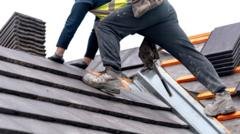
Roofing scammers con homeowners out of thousands of pounds
When 68-year-old Crystal first noticed a minor issue with her roof in the Midlands, she never imagined it would plunge her into months of anxiety and financial distress. Like thousands of other homeowners across the United Kingdom, she became a target for predatory roofing scammers who treat domestic vulnerability as a lucrative open market. Today, consumer watchdogs warn that these deceptive practices are scaling up, leaving families with devastated finances and structurally compromised properties.
Roofing scammers are rogue workmen who cold-call or advertise online, charging homeowners thousands of pounds for unnecessary, incomplete, or severely botched roofing repairs. Operating largely out of sight, these fraudulent operators exploit the vulnerability of residents using aggressive sales tactics and leaving properties damaged.<\/p>
- High Prevalence: One in ten consumer scams recorded by Citizens Advice over the past year were directly related to roofing work.
- Exploiting the Unseen: Fraudsters target roofs precisely because homeowners cannot easily inspect the high structures themselves.
- Aggressive Tactics: Three-quarters of these fraudsters utilize high-pressure doorstep sales techniques to force immediate cash payments.
It starts innocently enough. A knock at the door, a polite warning about loose tiles, or an appealing online advertisement offering quick, low-cost maintenance. But behind the high-vis jackets and polished patter often lies a calculated operation designed to extract maximum cash for minimum—or entirely nonexistent—effort. According to recent data from Citizens Advice, these predatory acts have cemented themselves as a dominant fixture of modern consumer fraud.
The Anatomy of a High-Stakes Domestic Con
Roofs are, by their very nature, out of sight and out of reach. Scammers exploit this architectural reality with ruthless efficiency. They know that the average homeowner cannot safely climb a ladder to inspect a chimney stack, flashing, or guttering. This information asymmetry forms the psychological bedrock of the entire scam.
Consider the scale of the issue. In the year leading up to August, the Citizens Advice Consumer Service logged a staggering 9,000 complaints regarding roofing construction, repairs, and weatherproofing. Out of that pool, roughly one in four—amounting to 2,205 separate reports—were classified as suspected scams. The trajectory is climbing, up from 2,098 during the previous tracking period. Rogue builders are not just a nuisance; they are an organized economic threat to household stability.
Industry insiders note that these operations often utilize classic high-pressure sales funnels. Victims frequently report aggressive and intimidating behavior. In fact, roughly three-quarters of these fraudsters rely on doorstep sales tactics, bypassing traditional marketplace vetting altogether. They create a manufactured sense of urgency, convincing residents that structural collapse is imminent unless an immediate cash payment is handed over.
Real Lives, Lasting Damage
The human cost of these crimes extends far beyond a depleted bank account. For Crystal, the financial loss of £5,500 was only part of the nightmare. The original contractor sent his son to finish the job, leaving the eaves incomplete. Heavy rain soon transformed her roof line into an indoor waterfall.
“We had heavy rain a couple of weeks after he did the job, and it ended up like a waterfall coming down the wall.” — Crystal, Scam Victim
The collateral damage stretched to her neighbors. The fraudulent workers stripped the lead flashing off the adjoining side of the chimney, causing bricks to rain down into a neighbor’s attic and inviting rainwater directly into their living space. For Crystal, the lingering trauma has eroded her basic quality of life. She reports struggling with insomnia and a persistent loss of appetite, trapped in a cycle of heightened vigilance and self-blame.
Similarly, 65-year-old Charlotte in northeastern England fell victim to a spiraling cost trap. After finding tradesmen online to fix a leaking gutter for £250, the price tag rapidly inflated. Within an hour, the men claimed catastrophic hidden problems demanded an immediate £2,500, later strong-arming her into paying an additional £3,500 as darkness fell and fear set in. By morning, zero evidence of actual labor could be found.
Comparing the Threat Landscape
Understanding how rogue traders operate requires looking closely at the tactics they deploy versus standard, legitimate contracting practices.
| Operational Feature | Legitimate Contractors | Roofing Scammers |
|---|---|---|
| Initial Approach | Invited quotes, scheduled appointments | Unsolicited cold calls, doorstep pressure |
| Quoting and Paperwork | Detailed written quotes, cancellation rights | Vague verbal estimates, cash-only demands |
| Scope of Work | Agreed-upon parameters | Spontaneously “discovered” emergencies |
Regulatory Response and Institutional Warnings
Consumer protection agencies are pushing back, but enforcement remains a complex challenge. Dame Clare Moriarty, chief executive of Citizens Advice, emphasizes that thorough background checks are non-negotiable before allowing anyone onto a property. Homeowners must demand verifiable credentials, physical business addresses, and landline telephone numbers rather than relying solely on mobile numbers that can be easily discarded.
Meanwhile, law enforcement and trading standards are stepping up their rhetoric. Lord Bichard, chair of National Trading Standards, characterizes rogue builders as hardened criminals who deliberately single out vulnerable people within their own sanctuaries. He labels roofing fraud as a particularly cruel enterprise.
“Victims can lose life savings in a matter of hours and be left with damaged homes, financial hardship, and a profound sense of vulnerability long after the criminals have gone,” Lord Bichard stated.
How to Shield Your Home and Finances
Safeguarding your property against predatory contractors requires a disciplined, skeptical approach. Experts recommend establishing a mental firewall against high-pressure sales environments.
- Never rush: Legitimate professionals will respect your right to seek second opinions and take time to review quotes.
- Demand written contracts: Insist on comprehensive paperwork detailing the exact scope of work, material costs, and a clear cancellation policy.
- Document everything: If a dispute arises or work appears substandard, immediately photograph the site and keep every receipt and message thread.
Ultimately, awareness remains the most effective line of defense. By understanding the tactics utilized by modern fraudsters, homeowners can shut down the initial approach before a single tile is displaced or a hard-earned pound changes hands.
<button type="button" onclick="this.parentElement.innerHTML='✓ Thank you, we will refine our analysis!‘” style=”background:#ffffff; border:1px solid #cbd5e1; border-radius:6px; padding:4px 12px; font-size:12px; cursor:pointer; color:#334155;”>👎 No
