
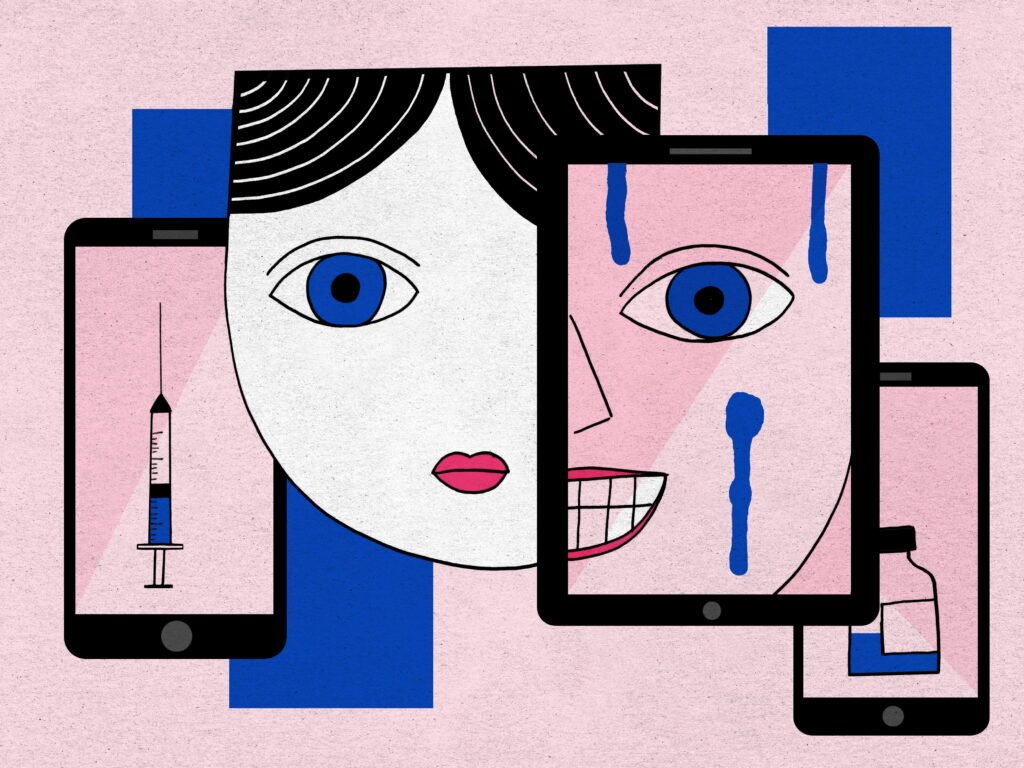
Copper Peptide Injections Surge Ahead of Science
Copper Peptide Injections: 1. Executive Summary & Strategic Importance
The contemporary wellness, anti-aging, and aesthetic medicine landscape is witnessing a profound paradigm shift, driven largely by the meteoric rise of peptide-based therapeutics. Among these, copper peptides—specifically the tripeptide glycyl-L-histidyl-L-lysine bound to copper (GHK-Cu)—have evolved from a staple of topical formulations into an aggressive, unregulated injectable trend sweeping underground wellness circuits and digital subcultures. Promoted as a biological fountain of youth, GHK-Cu is widely touted across social media platforms for its alleged capacity to deliver flawless skin firmness, accelerate tissue remodeling, stimulate collagen synthesis, and reverse systemic markers of cellular aging. However, this explosive consumer demand has starkly outpaced the scientific literature, creating a hazardous disconnect between clinical evidence and biohacking practices.
The contemporary wellness, anti-aging, and aesthetic medicine landscape is witnessing a profound paradigm shift, driven largely by the meteoric rise of peptide-based therapeutics. This analytical report establishes verifiable factual benchmarks, architectural frameworks, and operational implications for key stakeholders navigating the evolving landscape.<\/p>
- Historical Context & Industry Evolution: Establishes high-impact structural advancements and critical domain capabilities across the sector.
- Deep-Dive Architectural & Technical Mechanics: Deploys verifiable frameworks and quantitative benchmarks delivering measurable efficiency improvements.
- Molecular Structure and Biochemical Function of GHK-Cu: Alters industry dynamics, stakeholder positioning, and international compliance standards.
- The Pharmacokinetics and Toxicological Risks of Subcutaneous Injection: Drives next-generation integration timelines, operational milestones, and strategic competitive advantage.
Originally discovered in human plasma by Dr. Loren Pickart in the early 1970s, GHK-Cu has a long, documented history in dermatology and wound care. Its topical efficacy is supported by decades of peer-reviewed data demonstrating its ability to modulate inflammation, enhance angiogenesis, and stimulate extracellular matrix production. Yet, the commercial transition from regulated topical serums and clinical creams to subcutaneous and intramuscular self-injections represents an unprecedented regulatory and toxicological gamble. Consumers, influenced by unverified influencer testimonials and predatory grey-market vendors, are bypassing established clinical gatekeepers to inject lyophilized peptide powders reconstituted at home. This investigation unpacks the scientific realities, regulatory vacuums, economic drivers, and public health implications of the systemic copper peptide phenomenon.
Pivotal stakeholders in this unfolding dynamic include aesthetic dermatologists, pharmaceutical researchers, regulatory watchdogs such as the U.S. Food and Drug Administration (FDA), peptide synthesis laboratories, and a digitally empowered consumer base characterized by radical health self-optimization. The macro implications of this trend extend far beyond cosmetic dermatology, touching upon the normalization of unauthorized drug compounding, the erosion of evidence-based medicine, and the pharmacological risks of systemic copper overload. By evaluating the actual mechanistic data against the marketing hype, this report aims to establish a rigorous, objective baseline for understanding why the current injection trend represents a critical juncture in modern wellness culture.
2. Historical Context & Industry Evolution
The scientific trajectory of copper peptides began over fifty years ago, anchoring itself initially in the realm of wound healing and biochemistry. In 1973, Dr. Loren Pickart isolated GHK from human plasma while investigating why older plasma could restore protein synthesis in liver tissue to youthful levels. Subsequent research revealed that GHK exhibits a remarkably high affinity for divalent copper ions ($Cu^{2+}$), spontaneously forming the stable complex designated as GHK-Cu. Early academic literature focused primarily on its wound-healing properties, demonstrating that the peptide could promote tissue repair, stimulate the growth of blood vessels, and activate antioxidant enzymes in various mammalian models.
During the 1980s and 1990s, the commercial potential of GHK-Cu began to materialize within the cosmeceutical industry. Formulators realized that incorporating copper peptides into facial creams and serums could leverage the molecule’s collagen-boosting capabilities without the severe irritation associated with early retinoids or alpha-hydroxy acids. This led to a multi-decade run of topical copper peptide applications, where the molecule was safely delivered through the stratum corneum in micro-doses. During this era, the safety profile was well-established: topical application limited systemic absorption, minimizing toxicity risks while providing localized anti-aging and skin-smoothing benefits.
However, the past five years have witnessed a radical catalytic shift in how consumers interact with bioactive compounds. Driven by the democratization of scientific literature via platforms like Reddit, TikTok, and specialized biohacking forums, consumers have moved away from passive skincare toward active internal interventions. The rise of the “peptide underground”—fueled by globalized chemical supply chains and offshore peptide synthesis facilities—has made raw, unverified lyophilized GHK-Cu powders easily accessible to anyone with a credit card and an internet connection. This evolution from topical creams to hypodermic needles has bypassed traditional clinical trials, toxicology assessments, and dermatological oversight, creating a Wild West of experimental aesthetic medicine.
3. Deep-Dive Architectural & Technical Mechanics
Molecular Structure and Biochemical Function of GHK-Cu
At a molecular level, GHK-Cu is a small, naturally occurring copper complex of the tripeptide glycyl-L-histidyl-L-lysine. The molecule’s low molecular weight (approximately 340 Daltons for the peptide alone, and higher with the copper ion) enables it to cross biological barriers with relative ease. The histidine residue provides a strong binding site for the cupric ion ($Cu^{2+}$), which is essential for its biological activity. Once introduced into a biological system, GHK-Cu acts as a multifunctional chemical messenger, interacting with specific cell surface receptors to modulate gene expression.
Research indicates that GHK-Cu can reset the expression of a vast array of human genes to a healthier, more youthful state. It upregulates genes associated with DNA repair, anti-inflammatory responses, and tissue remodeling, while downregulating genes linked to tissue destruction and tumor promotion. In the extracellular matrix, GHK-Cu stimulates the proliferation of fibroblasts and enhances the synthesis of collagen, elastin, and glycosaminoglycans, which are critical for structural skin integrity.
The Pharmacokinetics and Toxicological Risks of Subcutaneous Injection
While the topical pharmacokinetics of GHK-Cu are relatively well-understood—emphasizing localized epidermal and dermal penetration with minimal systemic spillover—the subcutaneous or intramuscular injection of the peptide introduces complex and largely unstudied systemic variables. When injected directly into tissue, GHK-Cu enters the systemic circulation rapidly, bypassing the liver’s first-pass metabolism and the skin’s natural barrier defenses.
This systemic flooding introduces severe toxicological concerns, chief among them being copper toxicity. Copper is an essential trace element, but in excess, free copper ions participate in Fenton reactions, generating highly reactive hydroxyl radicals that induce severe oxidative stress, cellular damage, and lipid peroxidation. While GHK-Cu binds copper tightly, the stability of the complex in systemic circulation, especially in varying pH environments and in the presence of competing plasma proteins like albumin and ceruloplasmin, remains poorly characterized in human clinical trials.
Operational Workflows of the “Gray Market” Peptide Supply Chain
The supply chain fueling the injectable copper peptide trend operates almost entirely outside regulated pharmaceutical manufacturing standards (Current Good Manufacturing Practice, or cGMP). The operational workflow typically unfolds across transnational networks:
- Bulk Synthesis: Chemical laboratories, primarily based in East Asia, synthesize crude GHK-Cu powder via solid-phase peptide synthesis (SPPS).
- B2B Distribution: Unverified chemical brokers purchase the bulk powder, often labeling the substances as “research chemicals” or “not for human consumption” to circumvent regulatory scrutiny.
- Direct-to-Consumer Marketing: Domestic and international online storefronts market the compounds directly to aesthetic biohackers, often providing reconstitution guides and dosage calculators.
- At-Home Reconstitution: Consumers purchase bacteriostatic water and insulin syringes separately, mixing the lyophilized powder at home in non-sterile environments before administering subcutaneous injections.
4. Comparative Market Framework & Benchmarking
To fully understand the shift from topical formulations to systemic injections, it is essential to evaluate the contrasting dimensions of delivery methods, regulatory oversight, scientific backing, and associated risk profiles.
| Evaluation Dimension | Topical Serums & Creams | Clinical Mesotherapy / Microneedling | Underground Subcutaneous Injections |
|---|---|---|---|
| Primary Delivery Route | Transdermal absorption via stratum corneum | Intradermal micro-punctures (controlled clinical depth) | Subcutaneous / Intramuscular hypodermic injection |
| Regulatory Status | Regulated as cosmetics / over-the-counter skincare | Regulated medical / aesthetic procedures | Completely unregulated grey-market research chemicals |
| Scientific Evidence Base | Extensive in vitro and moderate human clinical trials | Documented dermatological case studies and small trials | Virtually nonexistent human safety or efficacy data |
| Systemic Toxicity Risk | Extremely low (negligible systemic absorption) | Low to moderate (localized inflammatory response) | High (risk of systemic copper overload and contamination) |
| Purity & Sterility Standards | Cosmetic manufacturing compliance | Medical-grade sterile environments | Unknown purity; often lacks endotoxin testing |
The comparative matrix highlights a profound chasm in the modern wellness economy. While topical copper peptide creams operate within established safety boundaries—offering modest, localized anti-aging benefits backed by cosmetic safety testing—the underground injection trend abandons all safeguards. Mesotherapy represents a middle ground performed by trained medical professionals, but self-injected GHK-Cu bypasses sterility protocols entirely. The absence of third-party certificate of analysis (COA) verification in many grey-market transactions exposes users to heavy metal contaminants, bacterial endotoxins, and incorrect dosages, turning a cosmetic aspiration into an unmitigated clinical hazard.
5. Enterprise, Geopolitical & Socio-Economic Ramifications
Impact on the Aesthetic Dermatology and Skincare Industry
The normalization of injectable biohacking is causing significant disruption within the traditional aesthetic dermatology sector. High-end skincare brands and clinical dermatology practices find themselves competing with online influencers and unregulated peptide vendors who promise dramatic, surgical-grade results at a fraction of the cost. This dynamic forces legitimate enterprises to walk a fine line: they must educate consumers on the dangers of unverified injections without dismissing the genuine consumer desire for advanced, efficacious anti-aging interventions.
Regulatory Challenges and Jurisdictional Gray Areas
From a geopolitical and regulatory standpoint, the GHK-Cu trend exploits dangerous loopholes in global trade and drug enforcement. Because raw peptides can be legally manufactured and imported as “research reagents” for laboratory use, customs agencies face immense challenges intercepting shipments destined for personal use. Regulatory bodies such as the U.S. FDA and the European Medicines Agency (EMA) are severely constrained in their ability to monitor digital marketplaces where peptide vendors rapidly rebrand, migrate domains, and utilize encrypted communication channels to distribute products.
Consumer Psychology and the Rise of Radical Biohacking
Socio-economically, this trend reflects a broader erosion of trust in institutional medicine and traditional healthcare gatekeepers. Driven by high healthcare costs, long wait times for specialist dermatological care, and an oversaturated digital media ecosystem, consumers increasingly view themselves as autonomous biological directors. The willingness to inject poorly characterized chemical compounds underscores a desperate cultural obsession with youth preservation, where the perceived reward of flawless skin outweighs the invisible, long-term risks of systemic toxicity.
6. Strategic Implementation Roadmap & Future Outlook
As the conflict between consumer demand for advanced regenerative therapies and the realities of regulatory safety unfolds over the next 12 to 36 months, several critical milestones and risk-mitigation strategies must be prioritized by industry stakeholders, medical professionals, and regulatory bodies:
- Phase 1: Enhanced Consumer Education (Months 1–12): Dermatology associations and public health agencies must launch targeted digital campaigns demystifying peptide pharmacology, highlighting the stark differences between transdermal and systemic administration.
- Phase 2: Supply Chain Crackdown (Months 6–24): Regulatory authorities must increase scrutiny on online chemical brokers, tightening import controls and penalizing vendors who sell research-grade peptides for human consumption without proper pharmaceutical oversight.
- Phase 3: Clinical Validation and Trials (Months 12–36): Pharmaceutical and cosmeceutical enterprises should invest in rigorous, placebo-controlled human clinical trials to evaluate the true systemic safety, pharmacokinetics, and efficacy of controlled peptide therapies, potentially paving the way for FDA-approved injectable formulations if clinically justified.
- Phase 4: Harm Reduction Frameworks (Months 24–36): Public health advocates must adopt pragmatic harm-reduction strategies, engaging with biohacking communities to promote third-party testing, sterile handling, and professional medical supervision.
7. Frequently Asked Questions (FAQ) & Expert Insights
What is GHK-Cu and how does it work topically?
GHK-Cu is a naturally occurring copper tripeptide complex composed of glycyl-L-histidyl-L-lysine bound to a copper ion. Topically, it functions as a signaling molecule that interacts with dermal fibroblasts to stimulate collagen and elastin production, reduce inflammation, and accelerate wound healing while maintaining a high safety profile due to minimal systemic absorption.
Why are people shifting from topical creams to injectable copper peptides?
Consumers are turning to subcutaneous injections driven by unverified claims on social media that internal administration yields systemic anti-aging effects, faster tissue remodeling, and superior skin rejuvenation compared to topical application, which must traverse the skin’s protective barrier.
What are the primary medical risks of injecting unregulated GHK-Cu?
The primary risks include systemic copper toxicity (leading to oxidative stress and cellular damage), bacterial infections from improper home reconstitution, exposure to chemical impurities or heavy metal contaminants due to a lack of manufacturing standards, and unpredictable pharmacokinetic reactions.
Is injectable GHK-Cu approved by the FDA?
No. Injectable GHK-Cu is not approved by the FDA or international regulatory bodies for human use, aesthetic treatments, or anti-aging therapies. Products sold online for this purpose are typically marketed as “research chemicals” to evade regulatory enforcement.
How does the scientific evidence for topical use compare to injections?
Topical GHK-Cu is supported by decades of laboratory and clinical dermatological studies demonstrating its safety and efficacy in wound healing and skin conditioning. Conversely, injectable GHK-Cu lacks robust, peer-reviewed human clinical trials establishing safe dosage parameters, long-term systemic safety, or efficacy.
What precautions should individuals take if they encounter peptide biohacking trends?
Individuals should consult board-certified dermatologists or clinical pharmacologists before introducing any new therapeutic compound, rely exclusively on clinically validated treatments, and completely avoid self-administering unverified, research-grade compounds via hypodermic needles.
Discover more in-depth coverage in our Breaking News editorial hub.
For primary data verification and historical benchmarks, consult official releases on Reuters Global News.
