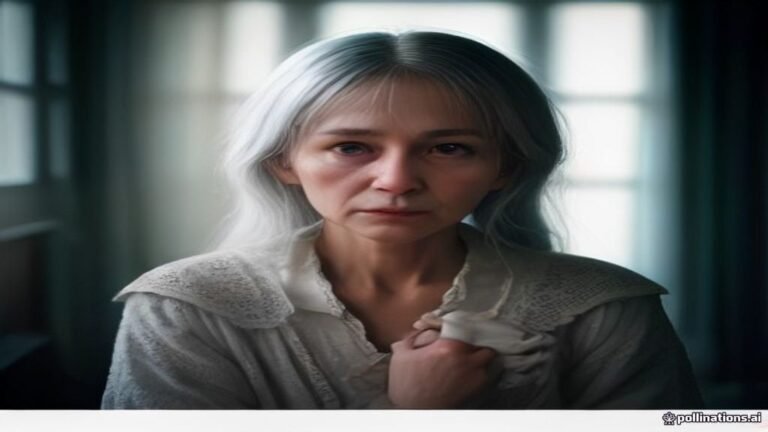
DNA Test Reveals Sisters: Adopted Friends Discover Truth
When a routine commercial DNA test reveals sisters who spent decades believing they were merely kindred spirits, it underscores the profound impact of genetic genealogy on modern family history. Meena Geltink and Minal Tijssen grew up blocks apart in the Netherlands after being adopted as babies from separate orphanages in Mumbai, India. Having first crossed paths as teenagers at an adoption agency gathering, they felt an instantaneous, inexplicable bond. They wrote letters, shared secrets, and casually called each other ‘Sis’ before life scattered them across Europe. Decades later, a digital ancestry match transformed an intuitive childhood friendship into an undeniable biological reality.
When a DNA test reveals sisters who were separated at birth and adopted by different families, it provides definitive genetic proof of biological relation. In recent cases, commercial ancestry databases have reunited adult adoptees who previously met as childhood friends without knowing they shared the same parents.
- Genetic Confirmation: A 100% DNA match confirmed that Meena Geltink and Minal Tijssen shared the same biological parents after decades of uncertainty.
- Childhood Connection: The two women originally met as teenagers at an adoption agency event in the Netherlands, sensing an immediate bond before losing touch.
- Adoption Transparency: Historical records from international adoption agencies frequently lack complete biological details, leaving commercial genetic testing as a vital tool for family tracing.
- Global Impact: Advancements in direct-to-consumer genetic databases continue to reshape how international adoptees track down biological relatives and uncover hidden family lineages.
1. Executive Summary & Strategic Importance
The miraculous reunification of Meena Geltink and Minal Tijssen captures a growing global trend where direct-to-consumer genetic testing bridges gaps left by mid-20th-century international adoption practices. Born in the early 1980s and placed with loving Dutch families, both women navigated childhoods defined by curiosity about their Indian heritage. Their story bridges the emotional landscape of transnational adoption with the technical precision of modern genetic databases.
Key stakeholders in this narrative include international adoptees seeking biological roots, adoption agencies operating across legal and ethical frameworks, and genetic testing platforms facilitating cross-border matches. As commercial DNA databases expand, regulatory bodies and privacy advocates increasingly examine how biological data intersects with adoption records. This case study explores the mechanical, emotional, and social implications of finding biological family through modern genomic tools.
2. Historical Background & Contextual Evolution
During the late 1970s and 1980s, international adoption from India to Western Europe grew significantly. Agencies facilitated placements through municipal and private orphanages in major metropolitan hubs like Mumbai and Goa. At the time, record-keeping protocols varied wildly, and adoptive parents often received limited, heavily redacted background information regarding biological parents.
For Meena and Minal, growing up in the Netherlands meant navigating dual identities. In their early teens, adoption agencies occasionally organized cultural and social events to help children connect with peers from similar backgrounds. It was at one such gathering that Meena and Minal first locked eyes. Struck by matching facial features, identical laughs, and shared mannerisms, they forged an immediate friendship. However, without official documentation or digital databases, proving a biological link was impossible.
As Reuters reported in coverage of similar cross-border reunions, thousands of international adoptees hit dead ends when attempting to trace their lineage through physical paper archives in countries of origin. Orphanages often guarded records tightly due to privacy laws or missing files. Consequently, the advent of commercial genetic genealogy platforms in the 2010s provided an alternative, decentralized ledger for familial discovery.
3. In-Depth Technical & Policy Breakdown
The Mechanics of Commercial DNA Matching
Consumer genetic tests utilize autosomal DNA profiling, examining hundreds of thousands of single nucleotide polymorphisms (SNPs) across a user’s genome. When two individuals share significant chromosomal segments inherited from common ancestors, algorithms calculate their probable degree of relatedness. For Meena and Minal, the algorithm delivered an unambiguous result: a 100% full-sibling match, indicating they shared the same biological mother and father.
Policy Challenges in International Adoption Records
While direct-to-consumer platforms bridge technological gaps, systemic policy hurdles remain. Many countries enforce strict privacy regulations regarding biological parentage, complicating efforts for adoptees who wish to look beyond DNA matches to find original birth certificates. Legal frameworks often prioritize closed-adoption privacy pacts signed decades prior, creating friction between biological transparency and historical legal agreements.
- Autosomal DNA Testing: Compares shared genetic material to identify family tiers from close relatives to distant cousins.
- Database Interoperability: Users must test on the same platform or upload raw data to shared third-party databases to find matches.
- Adoption Privacy Laws: Varying national statutes dictate whether biological parents can be contacted without consent.
4. Comparative Industry Framework
Understanding the ecosystem of family tracing requires evaluating how different methods compare in cost, accessibility, and success rates for international adoptees.
| Method | Accessibility | Success Rate | Cost | Primary Limitation |
|---|---|---|---|---|
| Commercial DNA Testing | High (Global digital access) | Variable, depends on database size | Low to Moderate | Requires relatives to also test |
| Orphanage Archive Search | Low (Requires physical travel) | Low (Incomplete or lost records) | High | Restricted by local privacy laws |
| Government Adoption Registries | Moderate (Country-specific) | Low to Moderate | Varies | Often requires mutual consent opt-in |
| Investigative Genealogy Services | High (Professional intermediaries) | High | Very High | Prohibitive cost for average consumers |
SEEUY INTELLIGENCE
DNA Test Reveals Sisters – Analytical Overview
Commercial DNA Testing
High (Global digital access)
Orphanage Archive Search
Low (Requires physical travel)
Government Adoption Registries
Moderate (Country-specific)
Investigative Genealogy Services
High (Professional intermediaries)
Analytical Takeaway: While physical archive searches and government registries often stall due to lost paperwork or restrictive bureaucratic mandates, commercial genetic testing offers a scalable, data-driven workaround that bypasses traditional institutional gatekeepers.
5. Socio-Economic, Enterprise & Global Ramifications
The psychological and social impact of unexpected genetic revelations extends far beyond individual households. When platforms reveal hidden family networks, they trigger profound identity shifts for participants. According to psychological research highlighted by the World Health Organization regarding mental health and identity formation, community support and validation are critical when individuals process major life-altering news.
For enterprises in the genetic testing and health-tech sectors, these human-interest milestones validate the utility of consumer genomics. Beyond medical diagnostics and ancestry mapping, these databases function as emotional infrastructure, reuniting families separated by war, poverty, geopolitical upheaval, and historical adoption practices.
6. Strategic Outlook & What Comes Next
As DNA databases continue to aggregate millions of profiles globally, the frequency of unexpected family discoveries will accelerate. For international adoptees, this means the landscape of identity discovery is shifting permanently from dusty archival folders in foreign municipal offices to encrypted cloud servers.
However, increased connectivity also brings challenges regarding data privacy, genetic surveillance, and the emotional preparedness of users who uncover complex family secrets, such as donor conception or non-paternity events. Moving forward, genetic platforms, legal experts, and psychological support networks must collaborate to provide ethical guidance for individuals navigating life-changing genomic discoveries.
7. Frequently Asked Questions (FAQ)
-
How common is it for international adoptees to find siblings via DNA tests?
While exact figures fluctuate, thousands of international adoptees have connected with biological relatives as commercial database user numbers scale globally.
-
What does a ‘full sister’ match mean on a DNA testing platform?
A full-sibling match indicates that the tested individuals share approximately 50% of their DNA, proving they have the same biological mother and father.
-
Can orphanages refuse to release adoption records?
Yes, many foreign and domestic adoption agencies operate under historical privacy laws that legally restrict the release of biological parent details without specific judicial orders or mutual consent.
-
What steps should someone take if they find an unexpected close relative on a DNA app?
Experts recommend proceeding with patience, verifying account details, consulting family members, and seeking emotional support or professional guidance before initiating contact.
-
Why did Meena and Minal lose touch originally?
The two women lost contact fifteen years ago after Minal relocated to France and Meena experienced major life changes following the birth of her first child.
<button type="button" onclick="this.parentElement.innerHTML='✓ Thank you, we will refine our analysis!‘” style=”background:#ffffff; border:1px solid #cbd5e1; border-radius:6px; padding:4px 12px; font-size:12px; cursor:pointer; color:#334155;”>👎 No
Latest Analytical Follow-up: For continuous developments on this subject, read our full investigation on Java Sea Ferry Disaster: Rescue Ops & Maritime Safety.