
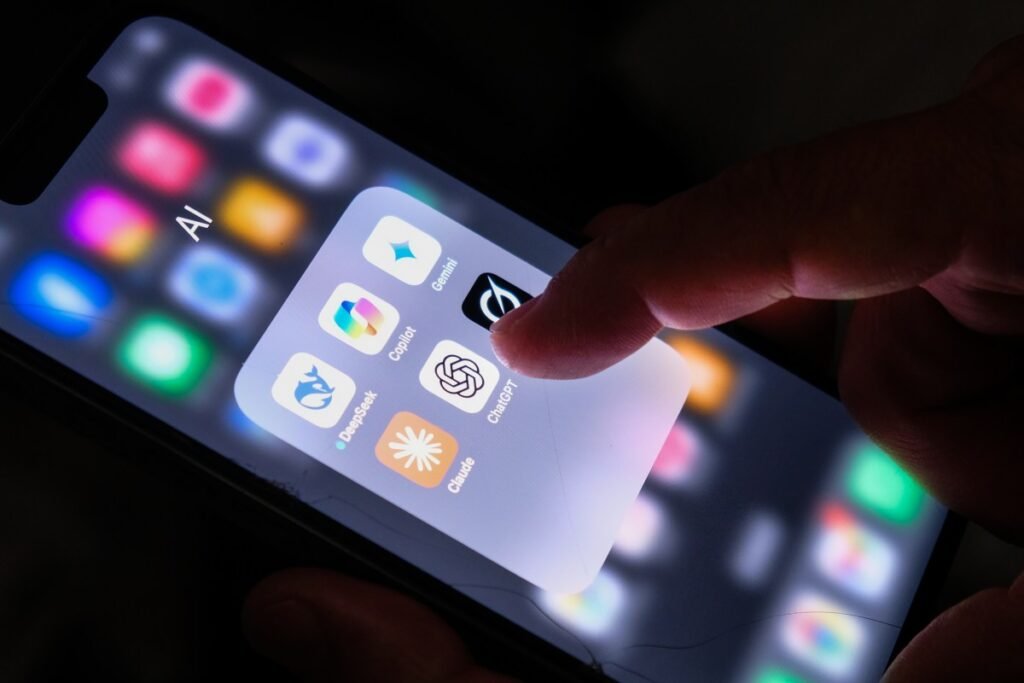
OpenAI Workplace Suite: The End of Microsoft’s Monopoly?
Silicon Valley alliances are rarely built to last forever. When Reuters and other industry trackers look back at this decade, the exact moment the honeymoon phase ended between OpenAI and Microsoft might just be traced back to a damp Tuesday in San Francisco. Standing on stage at the annual Dev Day conference, CEO Sam Altman did something that sent immediate shockwaves through enterprise boardrooms: he unveiled the OpenAI workplace suite.
The new OpenAI workplace suite introduces integrated productivity tools directly inside ChatGPT, including Space for shared collaboration, Pages for document editing, and collaborative slides. This marks a direct strategic pivot by OpenAI into traditional office software markets previously dominated by Microsoft and Google.<\/p>
- Space Workspace: A shared collaborative environment inside ChatGPT where human teams and AI agents work together on live files.
- Pages and Slides: Native document and presentation generators that directly challenge Google Docs and Microsoft PowerPoint.
- Strategic Shift: The symbiotic relationship between Microsoft and OpenAI is increasingly fraught as both tech giants aggressively target the same enterprise software customers.
For years, the narrative was neat. Microsoft provided the compute, the massive Azure infrastructure, and the distribution muscle. OpenAI provided the magic. It was a symbiotic marriage made in tech heaven. But reality has a funny way of breaking up clean business models. As generative AI shifts from a fascinating novelty into the indispensable operating system of modern business, the boundaries are blurring. Fast.
OpenAI is no longer content being just an underlying model provider or a chatbot interface. With the rollout of features designed specifically for corporate workflows, the lab is marching right into Microsoft’s heavily guarded territory. Word, PowerPoint, SharePoint, and Teams are suddenly facing a very different kind of existential mirror.
Inside the OpenAI Space Ecosystem
Let’s talk mechanics. The crown jewel of this new product drop is Space. Think of it as a shared directory, but one that breathes. In Altman’s own words during the keynote, your pages and files live together in Space, much like they would in a traditional cloud drive. Except these digital rooms are fundamentally alive.
Users can assign direct instructions to a specific page within Space. For instance, you can tell a page to monitor a team channel, pull relevant data points, and automatically update its own summaries. Working alongside human colleagues are Dots—OpenAI’s newly minted AI agent personas. These agents aren’t just passive chat windows waiting for a prompt; they execute multi-step tasks across workflows autonomously.
Industry insiders note that this leap transforms ChatGPT from an interactive oracle into an active digital coworker. The friction of copying and pasting text between a chat interface and a word processor vanishes entirely.
Pages and Collaborative Slides
To make this ecosystem functional, OpenAI had to build native creation tools. Enter Pages, a companion word processor built explicitly for human and agent collaboration. It serves as OpenAI’s direct answer to Google Docs and Microsoft Word. Within Pages, users can write, research, generate charts, create images, and visualize complex data streams without ever leaving the document environment.
Then there is the presentation layer. By merely talking to ChatGPT about a desired pitch or report, users can spin up collaborative slides. Multiple workers and AI agents can dive into these slide decks simultaneously, leaving comments, refining layouts, and editing text in real time. It is PowerPoint reimagined through a conversational, agent-first lens.
“Your pages and files all live together in Space, like they would in a drive. But spaces feel alive.” — Sam Altman, OpenAI CEO
To understand the sheer magnitude of this shift, it helps to look at how feature sets stack up across the current productivity landscape:
| Feature | OpenAI Workplace Suite | Microsoft 365 Copilot | Google Workspace |
|---|---|---|---|
| Primary Interface | Conversational Agent + Space | Traditional Apps + Copilot Sidebar | Web Apps + Gemini Integration |
| Autonomous Agents | Dots (Active workspace personas) | Copilot Agents (Extensible via Studio) | Gemini Sidekick Agents |
| Document Collaboration | Pages (Live human-agent editing) | Word / Loop Components | Google Docs with Gemini |
| Presentations | Conversational Slides | PowerPoint with Copilot | Google Slides with Duet/Gemini |
The Great Convergence of Software Giants
Of course, traffic moves in both directions on this digital highway. While OpenAI edges closer to traditional productivity software, legacy enterprise giants are desperately scrambling to become more like OpenAI. Over the past twelve months, companies like Salesforce and Microsoft have flooded the market with AI-infused features, attempting to anchor users deeper into their existing ecosystems.
According to Bloomberg technology analysts, enterprise customers are experiencing severe software fatigue. Paying separate licensing fees for legacy office suites while simultaneously subscribing to standalone AI tools is proving unsustainable. By packaging collaborative spaces, documents, and autonomous agents under one roof, OpenAI is betting that users will prefer an AI-native workspace over retrofitted traditional apps.
Yet, challenges remain. Enterprise data security, compliance protocols, and deeply entrenched corporate habits are notoriously difficult to dislodge. IT departments move slowly, and corporate migration from Microsoft or Google ecosystems requires absolute ironclad trust.
What Comes Next for Enterprise Productivity
The lines separating model providers, platform hosts, and application developers are evaporating before our eyes. OpenAI’s aggressive push into office software signals a broader market truth: generative AI is the new application layer. As Dots become more capable and Spaces become more complex, the traditional desktop metaphor of folders, files, and static applications may soon look as antiquated as the desktop filing cabinet does today.
For Microsoft, the alarm bells are ringing—quietly for now, but with growing volume. The student has not only learned from the master; it is now opening up a competing shop right across the street.
<button type="button" onclick="this.parentElement.innerHTML='✓ Thank you, we will refine our analysis!‘” style=”background:#ffffff; border:1px solid #cbd5e1; border-radius:6px; padding:4px 12px; font-size:12px; cursor:pointer; color:#334155;”>👎 No
Latest Analytical Follow-up: For continuous developments on this subject, read our full investigation on OpenAI Unveils AI Assistant Dots Amid Safety Delays.
Latest Analytical Follow-up: For continuous developments on this subject, read our full investigation on BMW i3 50 xDrive: Range, Price, and Neue Klasse Specs.
